
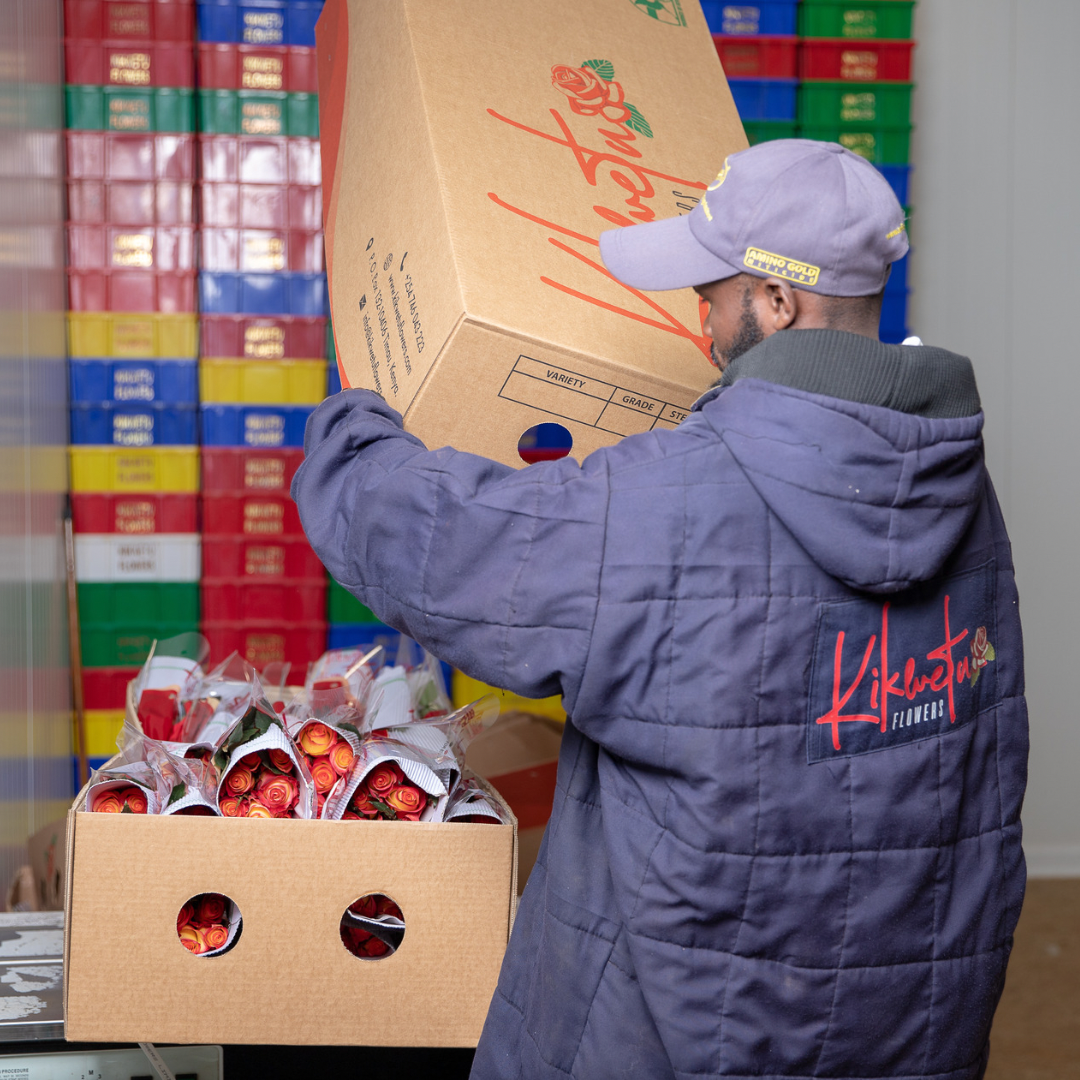
There is a quiet truth in the flower trade that every experienced florist and distributor knows,but rarely speaks aloud “cold chain logistics : a rose can be grown to perfection, yet lose everything in the journey.
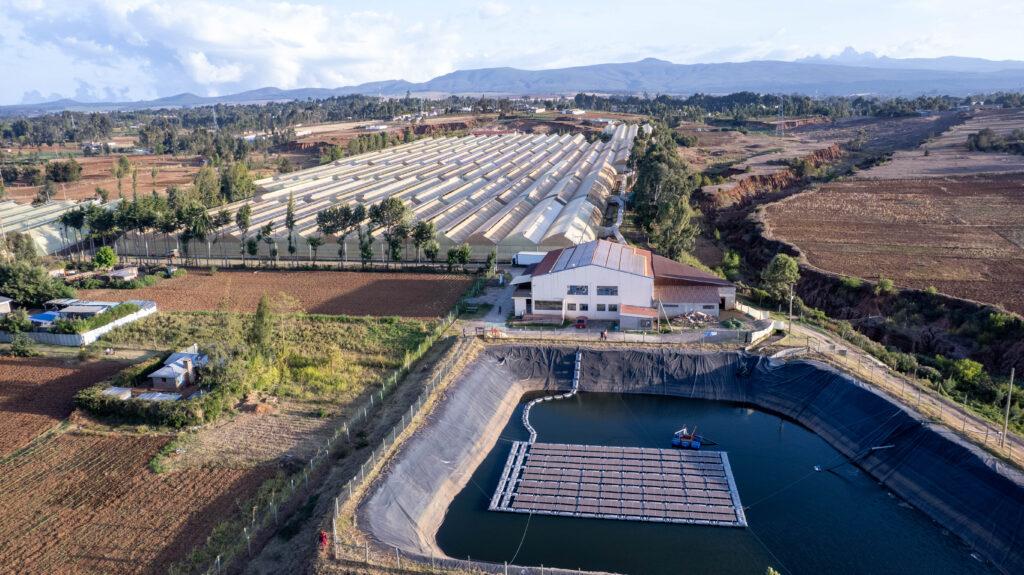
At Kikwetu Flowers, we spend our days in the high-altitude greenhouses of Timau, nurturing 41 varieties of premium roses under the equatorial sun. We talk often about our volcanic soils, our solar energy, our vermi-tea, and our community. But today, we want to turn our attention to something that happens after the last petal is checked and the bunch is sleeved. We want to talk about the cold chain, the invisible thread that connects our farm to your vase, your shop, your bride’s bouquet, your corporate installation.
Because in the global floral industry, the cold chain is not merely logistics. It is the guardian of everything we have worked for.
Why the Cold Chain Matters More Than Ever
The modern flower industry is a marvel of speed and distance. A rose cut at dawn in Kenya can be in a cooler in Amsterdam, Dubai, or Tokyo within 48 hours. But speed without temperature control is a hollow promise. Every degree above 2°C during transit accelerates respiration, triggers ethylene sensitivity, and begins the invisible countdown to wilting, bent neck, and petal drop.
For distributors and florists, this is not abstract science. It is the difference between a shipment that opens into full, proud blooms and one that arrives looking tired before it ever meets a customer.
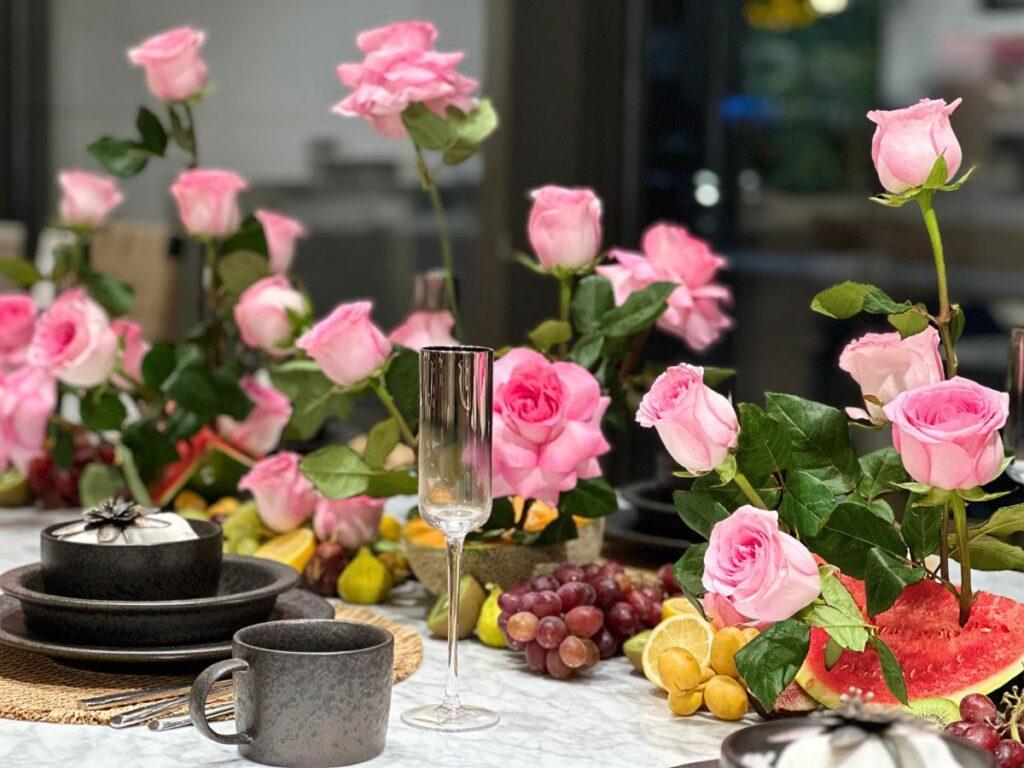
The global market for temperature-controlled logistics in floriculture is growing rapidly, driven by rising consumer expectations and the expanding reach of e-commerce flower subscriptions. Buyers today expect roses to last not five days, but ten to fourteen. They expect stems that stand straight, petals that hold their color, and fragrance that lingers. None of this is possible without an unbroken cold chain from farm to florist.
What a Reliable Cold Chain Actually Looks Like
For our B2B partners around the world, understanding the mechanics of cold chain logistics is essential to making informed sourcing decisions. Here is what a robust system entails:
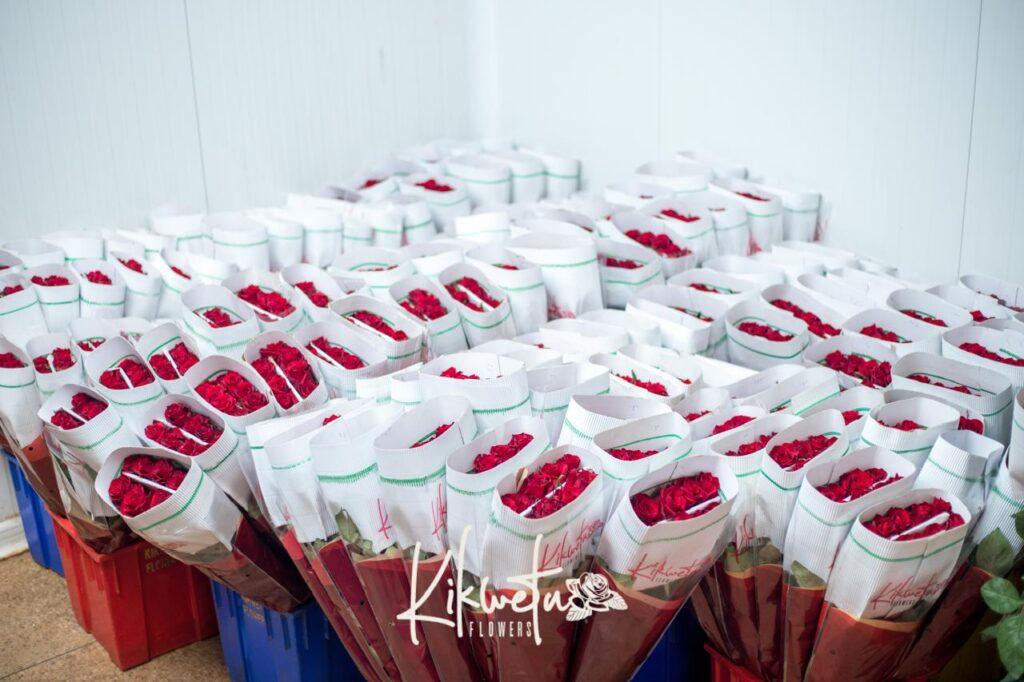
1. Pre-cooling at Origin The moment a rose is harvested, its metabolic clock begins ticking. At Kikwetu, bunches move quickly from the greenhouse to dedicated pre-cooling rooms where temperatures are brought down to 2–4°C within hours. This rapid chilling arrests respiration and preserves turgor, the internal water pressure that keeps stems rigid and petals taut.
2. Refrigerated Transport to Export Hubs In Kenya, this means refrigerated trucks moving from Timau to Jomo Kenyatta International Airport in Nairobi. The integrity of this first leg is critical. Any break in refrigeration here, however brief, creates a “temperature spike” that cannot be undone, even if the flowers are re-cooled later.
3. Temperature-Controlled Air Freight Modern floral cargo is transported in refrigerated holds or active cool containers. Leading airlines and freight forwarders now offer real-time temperature monitoring, allowing exporters and importers to track conditions mile by mile. For distributors, asking your supplier about their freight partnerships and monitoring capabilities is a smart due diligence step.
4. Import Handling and Cold Storage Upon arrival, flowers must move swiftly through customs and into cold storage facilities. The best importers operate on a “touch-and-go” principle, minimizing the time flowers spend outside controlled environments. Many major floral hubs, from Aalsmeer to Riyadh, now offer dedicated floral cold rooms with precise humidity and ethylene control.
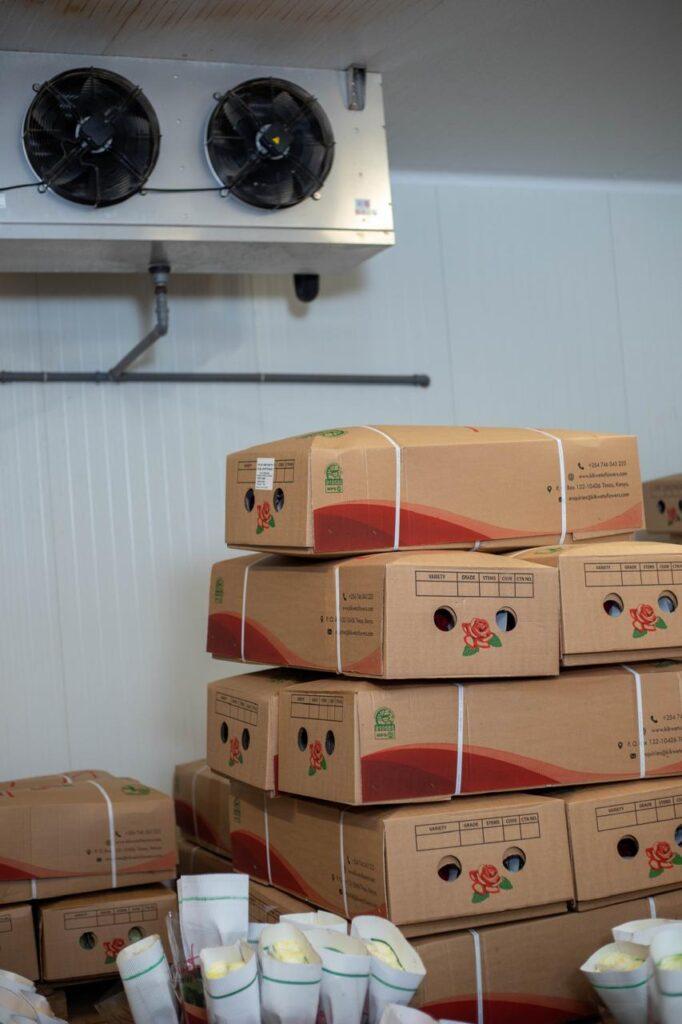
5. The Final Mile: From Wholesaler to Florist This is often the weakest link. Flowers may travel perfectly from Kenya to a wholesaler’s cooler, only to degrade in an unrefrigerated van on the way to a florist’s shop. For florists, investing in refrigerated delivery vehicles or insulated transport boxes is not an expense—it is a quality guarantee.
The Business Case for Cold Chain Excellence
For distributors and florists, the cold chain is not a cost center. It is a profit protector.
Reduced Waste: Industry estimates suggest that poor temperature management can result in 15–30% post-harvest loss. For a florist ordering 1,000 stems, that is 150–300 stems that never reach their potential. A reliable cold chain pays for itself in reduced write-offs.
Extended Vase Life: Roses that have been properly cooled from harvest to display last significantly longer. This means happier end customers, stronger repeat business, and fewer complaints.
Premium Positioning: In a market where consumers are increasingly educated about sustainability and quality, being able to credibly claim “farm-fresh, cold-chain protected” is a genuine differentiator. It signals professionalism and care.
Seasonal Resilience: During peak periods; Valentine’s Day, Mother’s Day, Christmas, the pressure on logistics is immense. Partners with established cold chain protocols are better able to absorb surges in volume without compromising quality.
Questions Every Distributor and Florist Should Ask
When evaluating a rose supplier, go beyond variety lists and price sheets. Ask about the journey:
- At what temperature are flowers pre-cooled, and how quickly after harvest?
- What monitoring systems are in place during road and air transport?
- Which freight partners do you use, and do they offer real-time tracking?
- What is the protocol if a temperature excursion is detected?
- How are flowers handled during the final mile to my location?
A supplier who can answer these questions with specificity and confidence is one who understands that their responsibility does not end at the farm gate.
The Kikwetu Commitment
At Kikwetu Flowers, our philosophy of “Our Style, Our Culture” extends to every hand that touches our roses, including those in logistics. We partner with freight forwarders who share our standards. We invest in pre-cooling infrastructure. We monitor. We document. We do this because we know that our partners, whether you are a wholesaler in the Netherlands, a event florist in Dubai, or a boutique retailer in London—are staking your reputation on the quality of what we send you.
The cold chain is not glamorous. It will never be the subject of a poetic Instagram post. But it is the reason those Instagram posts are possible. It is the reason a bride in December can hold a rose that was alive in Kenya just days before, still perfect, still speaking.
And that, we believe, is worth every degree of care.
Ready to partner with a grower who protects quality from soil to shop?
Contact the Kikwetu Flowers team to discuss your seasonal requirements, custom varieties, and cold-chain logistics.