
Buying roses for a flower business is very different from choosing a rose because it looks beautiful.
A professional buyer has to look beyond the petals.
What is the stem length?
How large is the bud?
What colour is the variety?
How many days of vase life can be expected?
And perhaps most importantly:
Will this rose work for the purpose you are buying it for?
That is where rose flower specifications become important.
For florists, wholesalers, event designers, retailers and international flower importers, understanding the specifications behind a rose can make purchasing decisions easier and more precise.
At Kikwetu Flowers, our premium rose varieties are listed with specifications including colour, stem length, bud size and expected vase life, helping professional buyers understand what each variety offers before placing an order.
So, if you are sourcing roses for your business, here is what those numbers and descriptions really mean.
What Are Rose Flower Specifications?
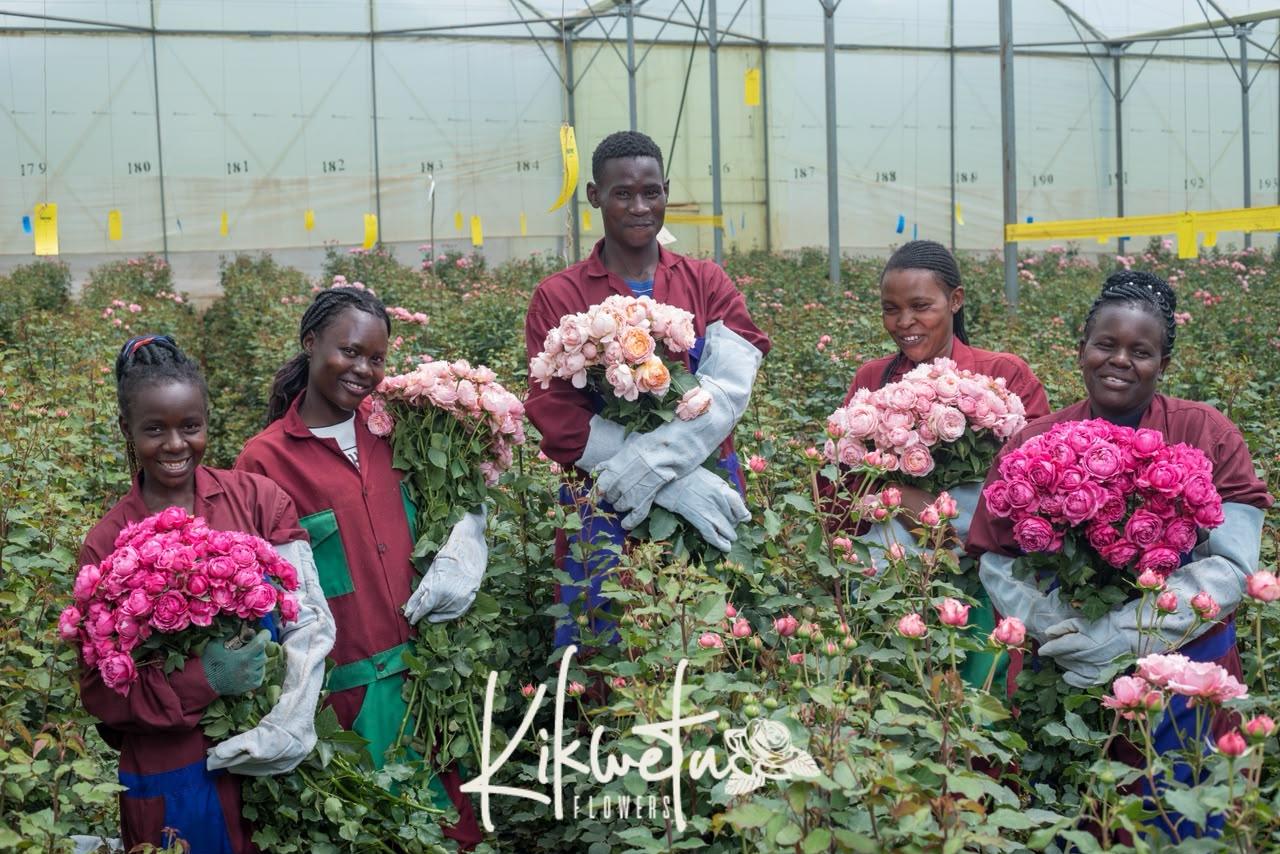
Rose flower specifications are the measurable characteristics used to describe the quality and commercial attributes of a rose.
Depending on the variety and supplier, these can include:
- Stem length
- Bud size
- Flower colour
- Vase life
- Number of buds per stem for spray roses
- Rose category or type
These details are particularly useful when buying roses in commercial quantities.
Instead of simply saying, “I need pink roses,” a professional buyer can specify the characteristics required for a particular market, arrangement or event.
That makes communication between the buyer and flower supplier much clearer.
1. Stem Length Helps Define How A Rose Can Be Used
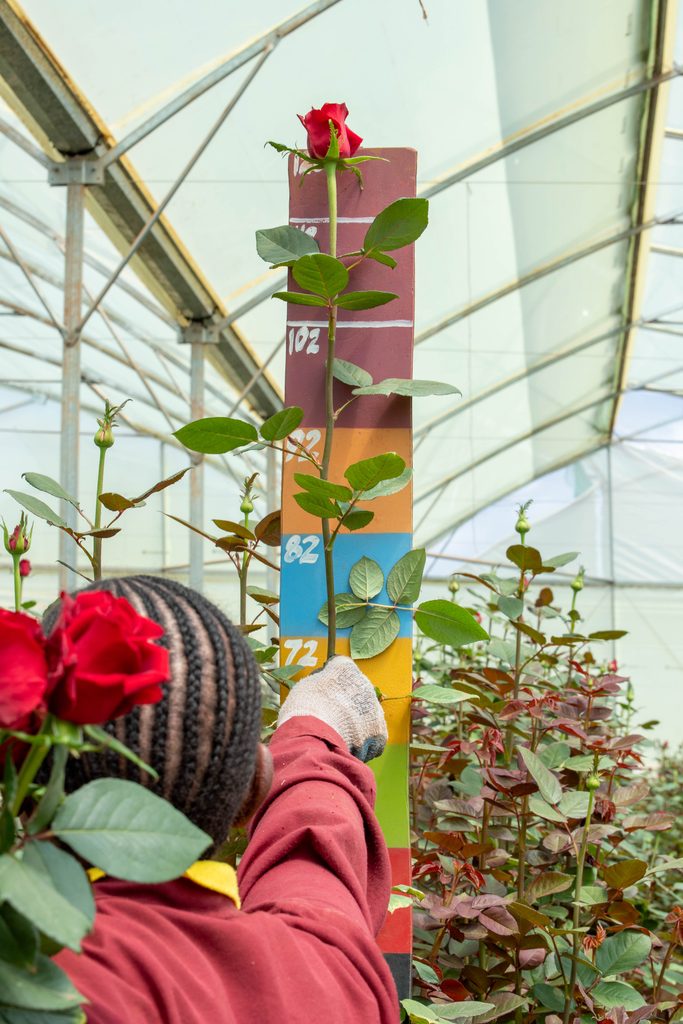
Stem length is one of the first specifications professional flower buyers look at.
A 40cm rose and an 80cm rose may be the same flower variety, but they can serve very different purposes.
Shorter stems can work beautifully for compact arrangements, smaller bouquets and designs where height is not the main consideration.
Longer stems, meanwhile, can provide greater height and structure for larger arrangements and statement designs.
Kikwetu’s rose catalogue shows that available lengths differ by variety. For example, Mandala is listed at 50/60/70/80cm, while Ever Red is available at 50/60/70/80/90cm. Other varieties, such as Paloma, are listed at 40/50/60cm.
This is why professional buyers should not assume that every rose variety is available in every stem length.
The variety matters.
3. Colour Is More Than A Simple Description
When buying roses commercially, colour is one of the easiest specifications to understand — but also one of the most important.
Colour determines how a rose interacts with the rest of a floral design.
A white rose can create a clean, sophisticated look.
A deep red can create intensity.
Pink can bring softness.
Yellow can introduce brightness.
Bi-colour roses can create contrast without requiring several different varieties.
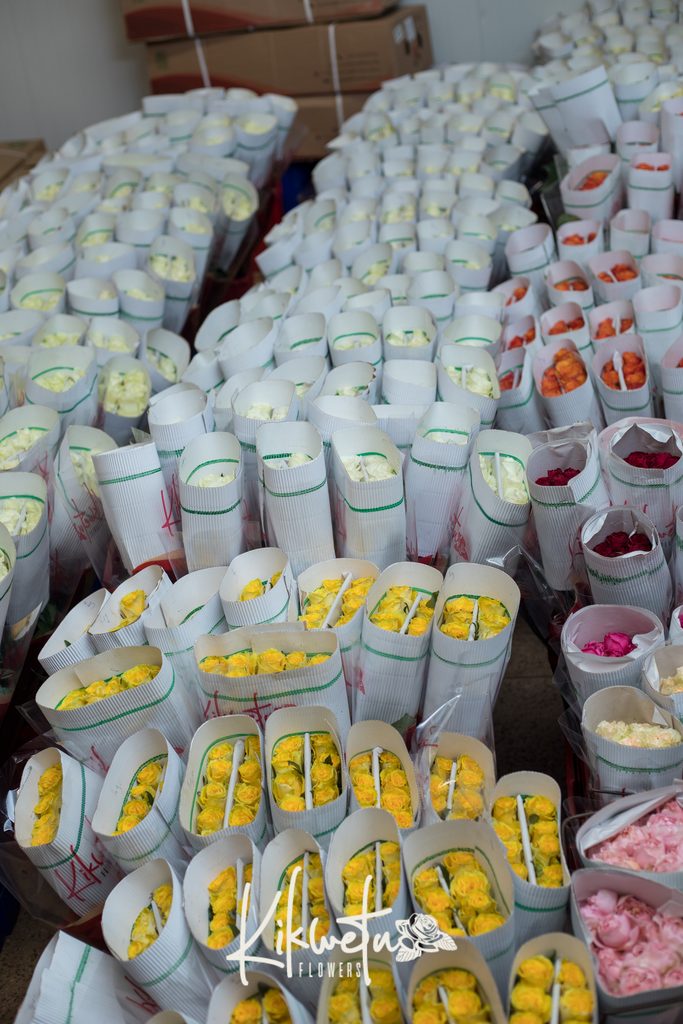
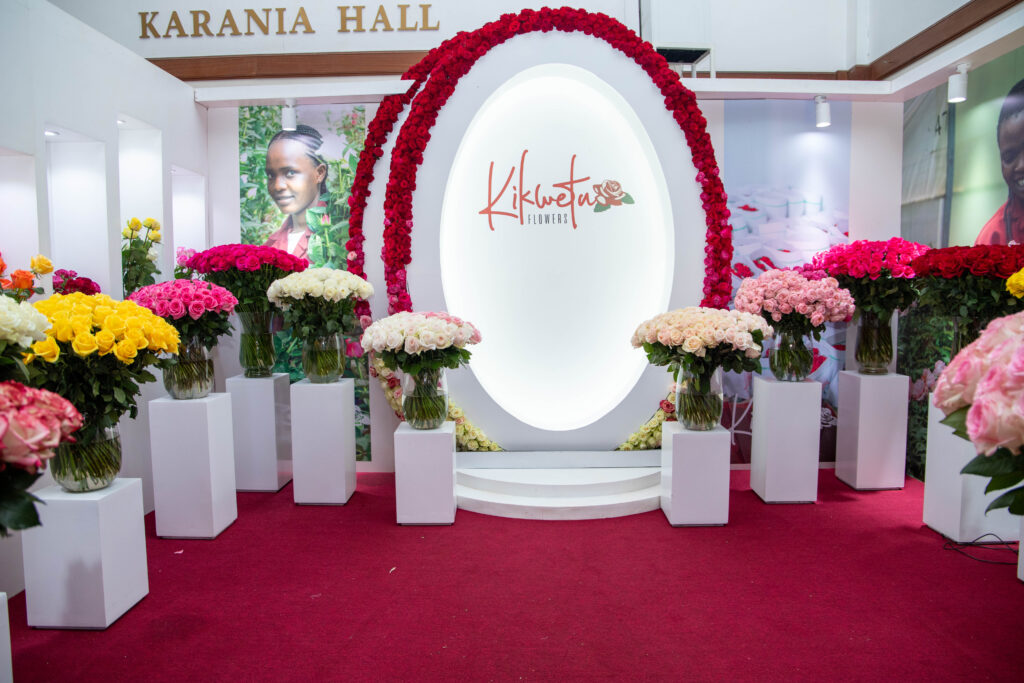
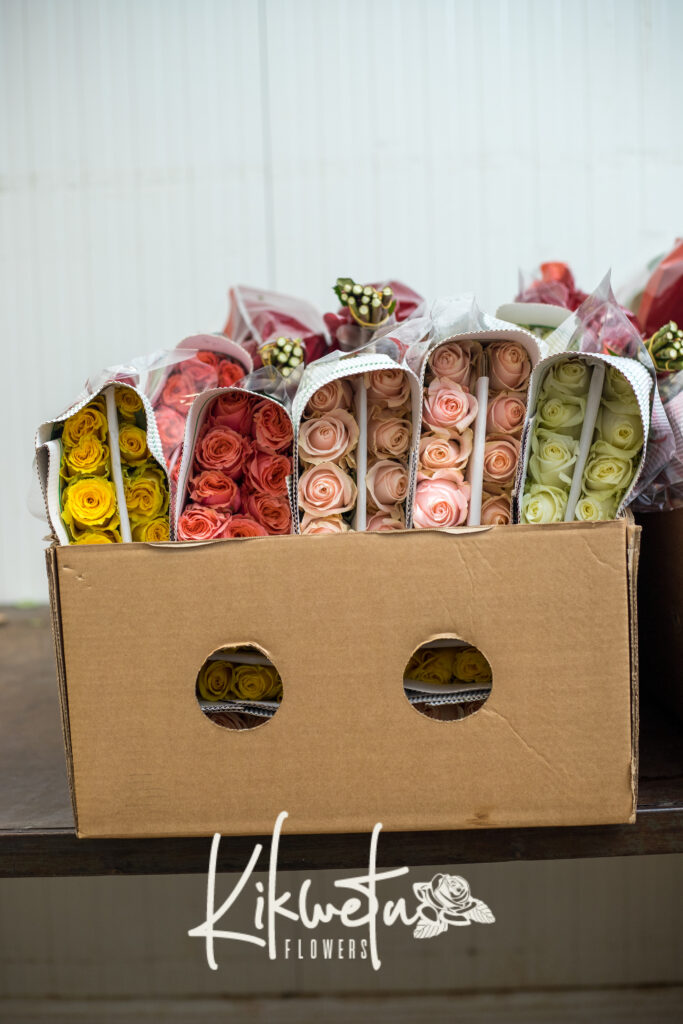
Kikwetu’s collection includes a broad range of colours and combinations, including white, red, pink, yellow, peach, salmon, orange and bi-colour varieties.
This gives buyers the opportunity to select roses according to the visual identity of their market or the requirements of a specific floral project.
4. Vase Life Matters — But It Should Be Read In Context
Vase life is another specification commonly included when evaluating fresh-cut roses.
Kikwetu currently lists many of its rose varieties with an expected vase life of 10–14 days.
However, vase life should not be viewed as a guarantee that every rose will last exactly the same number of days in every environment.
Temperature, hydration, handling, storage conditions and care after purchase can all influence the performance of fresh flowers.
For professional buyers, the important point is to understand the expected specification and then ensure that the flowers are handled appropriately throughout their journey.
A good rose deserves a good journey.
5. Not Every Rose Specification Is The Same
One of the biggest mistakes a new flower buyer can make is assuming that every rose variety follows the same specification.
It doesn’t.
Look at Kikwetu’s catalogue and the differences become clear.
Ever Red: 50/60/70/80/90cm with a 5.5–7cm bud.
Hot Spot: 50/60/70cm with a 5–6cm bud.
Pink Athena: 40/50/60/70cm with a 4.5–5.5cm bud.
Novavita: 50/60/70/80cm with a 5.5–7cm bud.
ColdPlay: 40/50/60/70cm with a 5–6cm bud.
The differences may look small on paper.
For a professional buyer, they can make a meaningful difference.
That is why the name of the variety alone is not enough.
The specification completes the picture.
6. Match The Specification To The Final Design
The smartest way to buy roses is to start with the end result.
Ask:
What am I creating?
A luxury bouquet?
A large wedding installation?
A hotel arrangement?
A retail bouquet?
A compact centrepiece?
A mixed floral design?
Once you know the answer, you can work backwards and determine the specifications that make the most sense.
For example, a large installation may benefit from longer stems that provide structure and height.
A compact arrangement may not require the longest available stem.
A design focused on large focal blooms may prioritise bud size.
A mixed arrangement may place greater emphasis on colour compatibility.
The specification should serve the design.
Not the other way around.
7. Specifications Make International Flower Buying Easier
For international flower buyers, specifications become even more valuable.
When a buyer and supplier are communicating across countries, precise descriptions reduce ambiguity.
Instead of discussing a rose using subjective terms such as “big,” “long” or “large,” both sides can refer to measurable characteristics.
That makes conversations clearer.
It also helps buyers compare varieties and communicate requirements more accurately.
For a Kenyan flower exporter supplying international markets, this level of precision is important because the buyer may be thousands of kilometres away from the farm.
The specification becomes part of the shared language between grower and buyer.
A Simple Way To Read A Rose Specification
The next time you see a rose specification, don’t just look at the variety name.
Read it as a complete profile.
For example:
Ever Red
Colour: Red
Length: 50/60/70/80/90cm
Bud size: 5.5–7cm
Vase life: 10–14 days
In a few lines, you already know considerably more about the flower.
You know its colour.
You know the available stem lengths.
You know the approximate bud size.
And you know the listed vase-life range.
That is the power of a good specification.
It turns a beautiful flower into a product that a professional buyer can evaluate.
What Should Flower Buyers Ask Their Supplier?
Before placing a commercial rose order, buyers can ask:
- What varieties are currently available?
- What stem lengths are available?
- What is the bud size?
- What colours are available?
- What is the expected vase life?
- What quantities are available?
- What packaging options are available?
- What are the delivery and export arrangements?
Clear questions lead to clearer orders.
And clear orders make it easier for both the buyer and supplier to deliver the right product.
Why Kikwetu Flowers?
At Kikwetu Flowers, we grow premium roses in Timau, Kenya, for professional flower markets.
Our rose collection covers premium roses, scented roses, garden roses, super-intermediate roses and special sprays, with specifications provided for individual varieties.
For professional buyers, that means you can explore roses based not only on appearance, but also on the characteristics that matter to your business.
Because choosing a rose should never be guesswork.
It should be a decision based on what you need the flower to achieve.
Looking For The Right Roses For Your Market?
The perfect rose is not necessarily the longest.
It is not necessarily the largest.
And it is not necessarily the most colourful.
The perfect rose is the one whose specification matches your purpose.
At Kikwetu Flowers, we believe that understanding the flower is the first step towards choosing it well.
From stem length and bud size to colour and vase life, every specification tells part of the story.
And when all those details come together, you are no longer simply buying roses.
You are choosing the right flowers for the work they need to do.
Frequently Asked Questions About Rose Flower Specifications
What are the most important rose flower specifications?
The most common specifications include stem length, bud size, colour and expected vase life. For spray roses, the number of buds per stem can also be an important specification.
What does 50/60/70cm mean in a rose specification?
It indicates the stem lengths available for that particular rose variety. For example, a variety listed as 50/60/70cm may be supplied in those specified lengths, depending on availability.
Does a longer rose stem mean a better rose?
Not necessarily. Longer stems can be valuable for certain floral designs, but the best stem length depends on how the roses will be used.
Why does bud size matter when buying roses?
Bud size can influence the visual presence of the flower in an arrangement. Different designs and markets may require different bud sizes.
What rose specifications does Kikwetu Flowers provide?
Kikwetu’s rose catalogue provides information such as variety, colour, stem length, bud size or buds per stem, and listed vase life for its flowers.
Can international flower buyers request specific rose specifications?
Professional buyers can discuss their required varieties, specifications and quantities directly with their flower supplier before placing an order.