

A successful flower business needs more than beautiful roses. It needs a collection that gives customers options, creates opportunities for different occasions and keeps people coming back for something new.
For florists, wholesalers, distributors and flower retailers, choosing the right mix of rose varieties is an important part of building a competitive product offering. Some customers are drawn to timeless colours, while others look for distinctive shades that make an arrangement stand out. Some prefer understated elegance, while others want flowers that immediately capture attention.
The challenge is knowing how to bring these preferences together.
At Kikwetu Flowers, we believe a well-planned rose collection starts with understanding the market you serve and selecting varieties that give your customers meaningful choices.
1. Start with the customers you want to serve
Before selecting rose varieties, consider who buys from your business.
A florist serving wedding clients may have different requirements from a wholesaler supplying supermarkets, event designers or independent flower shops. Understanding these differences helps you select a collection that reflects actual customer demand.
Think about the types of customers you serve:
- Retail florists: Need a versatile selection that works for everyday arrangements, gifts and special occasions.
- Event designers: May require coordinated colours and varieties suitable for weddings, corporate events and large installations.
- Wholesalers and distributors: Need a commercially appealing range that can serve different customer preferences.
- Flower retailers: Benefit from a selection that offers customers both familiar favourites and something different.
The objective is not simply to stock as many varieties as possible. It is to select a range that makes sense for your market.
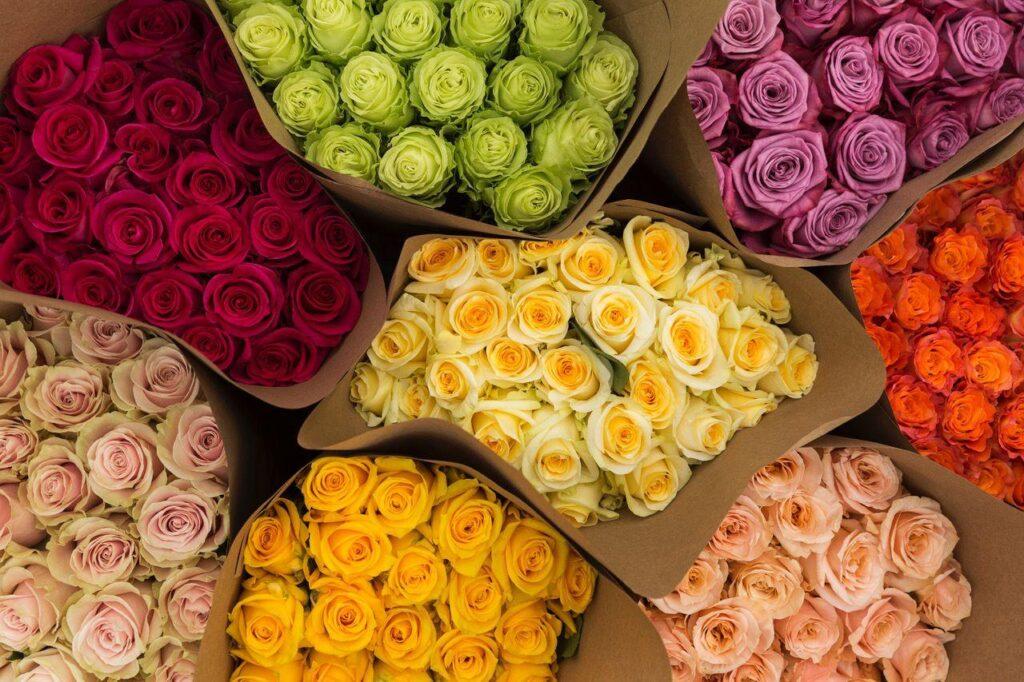
2. Build your collection around colour diversity
Colour is one of the first things customers notice when choosing roses. It influences the mood of an arrangement, complements different design styles and helps customers express different messages.
A balanced collection should offer a combination of familiar colours and more distinctive shades.
Classic reds
Red roses remain a recognisable choice for romantic gestures, celebrations and statement arrangements. They can form an important part of a collection serving customers who prefer traditional floral choices.
Soft and elegant shades
Pink and softer tones offer versatility. They can be used in romantic arrangements, weddings, birthdays and other occasions where a delicate colour palette is preferred.
Cool and distinctive colours
Purple and lilac roses bring a different visual character to a collection. They can appeal to designers and customers looking for something less conventional.
Warm and vibrant shades
Orange and other warm tones introduce energy and contrast. They can help florists create arrangements that feel expressive, colourful and contemporary.
Rather than concentrating your entire collection around one colour family, consider how different shades can complement one another.
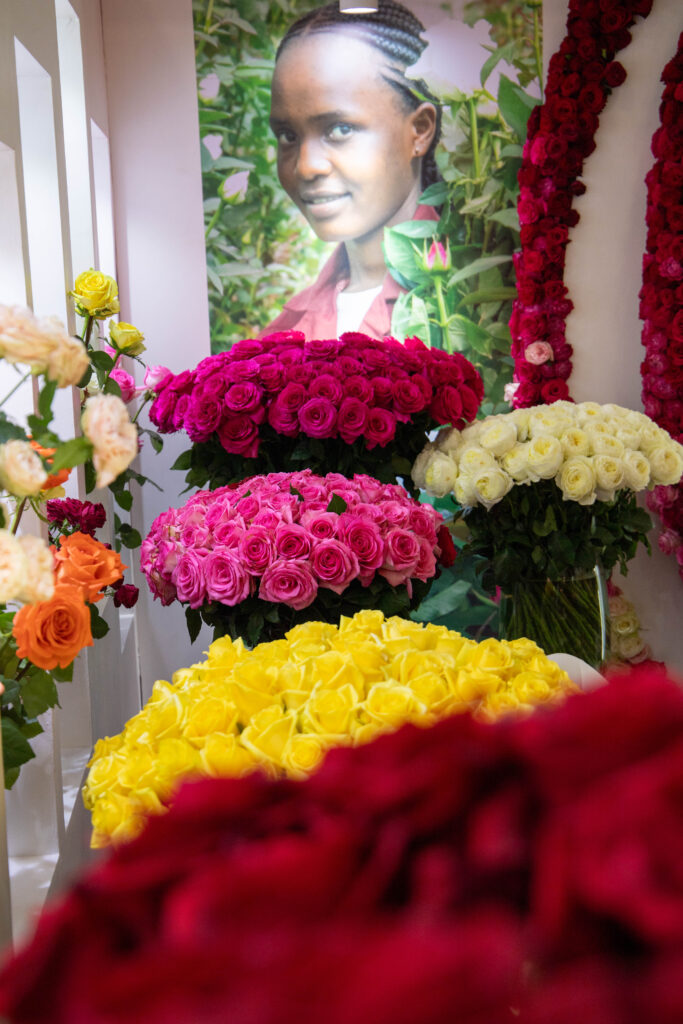
3. Combine familiar favourites with distinctive varieties
Customers appreciate having options, but they also need varieties they recognise and trust.
This is why a strong rose collection should balance familiar choices with distinctive additions. Established favourites can provide continuity, while less conventional colours and varieties give customers something new to explore.
For professional buyers, this approach creates opportunities to refresh product selections without completely changing the identity of their business.
At Kikwetu Flowers, our collection includes a variety of colours and rose varieties, giving buyers options to consider when planning their assortment.
The key is to understand which varieties are suited to your customers, rather than selecting flowers simply because they are different.
4. Think about stem lengths and bud sizes
A rose collection is not defined by colour alone. Physical specifications also influence how flowers can be used and which customers they may suit.
Stem length can affect the style and scale of an arrangement. Longer stems may be preferred for certain statement designs, while other lengths can work well for different retail and floral applications.
Bud size is another consideration. It contributes to the overall appearance of a rose and can influence how it is selected for particular designs.
When planning an order, buyers should consider:
- The stem lengths available for each variety.
- Bud size and the desired presentation.
- The requirements of their target customers.
- The specifications needed for their intended market.
Discussing these details with your supplier helps ensure that the collection you select aligns with your business requirements.
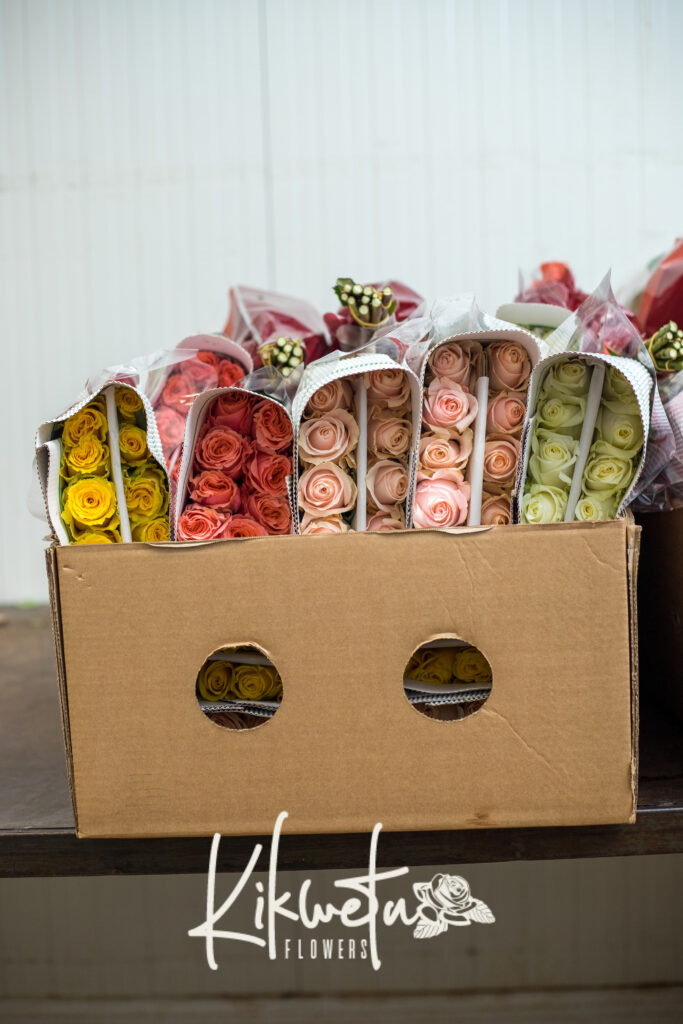
5. Plan your assortment around demand, not assumptions
A beautiful collection is only commercially useful when it reflects what customers actually want.
Pay attention to the varieties and colours that sell consistently. Notice which options attract enquiries, which ones customers request repeatedly and which combinations work well for your market.
You can use this information to guide future orders.
For example, if your customers consistently prefer classic red roses, maintain a suitable allocation for that demand while introducing other colours in quantities that make commercial sense.
If you serve different customer segments, consider whether each requires a different assortment.
Reviewing sales patterns and customer feedback can help you make better purchasing decisions over time.

6. Work with a rose supplier who understands your requirements
Selecting the right varieties is only one part of building a successful collection. You also need a supplier who can communicate clearly about available varieties, specifications, order requirements and export arrangements.
Before confirming an order, discuss:
- Which varieties are currently available.
- Available stem lengths and bud specifications.
- Required quantities and order schedules.
- Packaging and export arrangements.
- Any specific requirements for your destination market.
Clear communication helps both the buyer and supplier plan more effectively.
At Kikwetu Flowers, we grow and export premium Kenyan roses from Timau, Kenya. We work with professional flower buyers seeking fresh-cut roses for international markets.

Build a Collection That Gives Your Customers More Choice
The perfect rose collection does not have to be the largest one. It should be a carefully considered selection that reflects your customers, supports your business and gives the market a reason to keep coming back.
From timeless reds to expressive purples, soft pinks and warm orange shades, variety creates opportunities for florists, wholesalers and distributors to serve different preferences.
At Kikwetu Flowers, we invite international flower buyers to explore our collection of premium Kenyan roses and discuss their sourcing requirements with our team.
Looking to expand your rose selection?
Explore our premium Kenyan rose catalogue or contact Kikwetu Flowers to enquire about available varieties, specifications, wholesale orders and export arrangements.
Kikwetu Flowers — From our hearts to your hands