
In the flower business, success depends on more than beautiful blooms. Behind every thriving florist, wholesaler, distributor, and event supplier is a reliable floral supply chain that delivers quality, consistency, and trust throughout the year. While price often influences purchasing decisions, experienced importers understand that the true value of a supplier lies in their ability to perform consistently across seasons, markets, and logistical challenges.
With global demand for premium roses continuing to grow, choosing the right rose farm partner has become one of the most important business decisions an importer can make. Kenya remains one of the world’s leading exporters of premium roses, thanks to its ideal growing conditions, skilled workforce, and advanced floriculture sector. Farms such as Kikwetu Flowers in Timau specialize in producing export-quality premium roses designed for international markets.
Here are seven key factors every flower importer should evaluate before selecting a long-term rose farm partner.
1. Consistent Quality Across Every Shipment
A single excellent shipment means little if the next delivery fails to meet expectations.
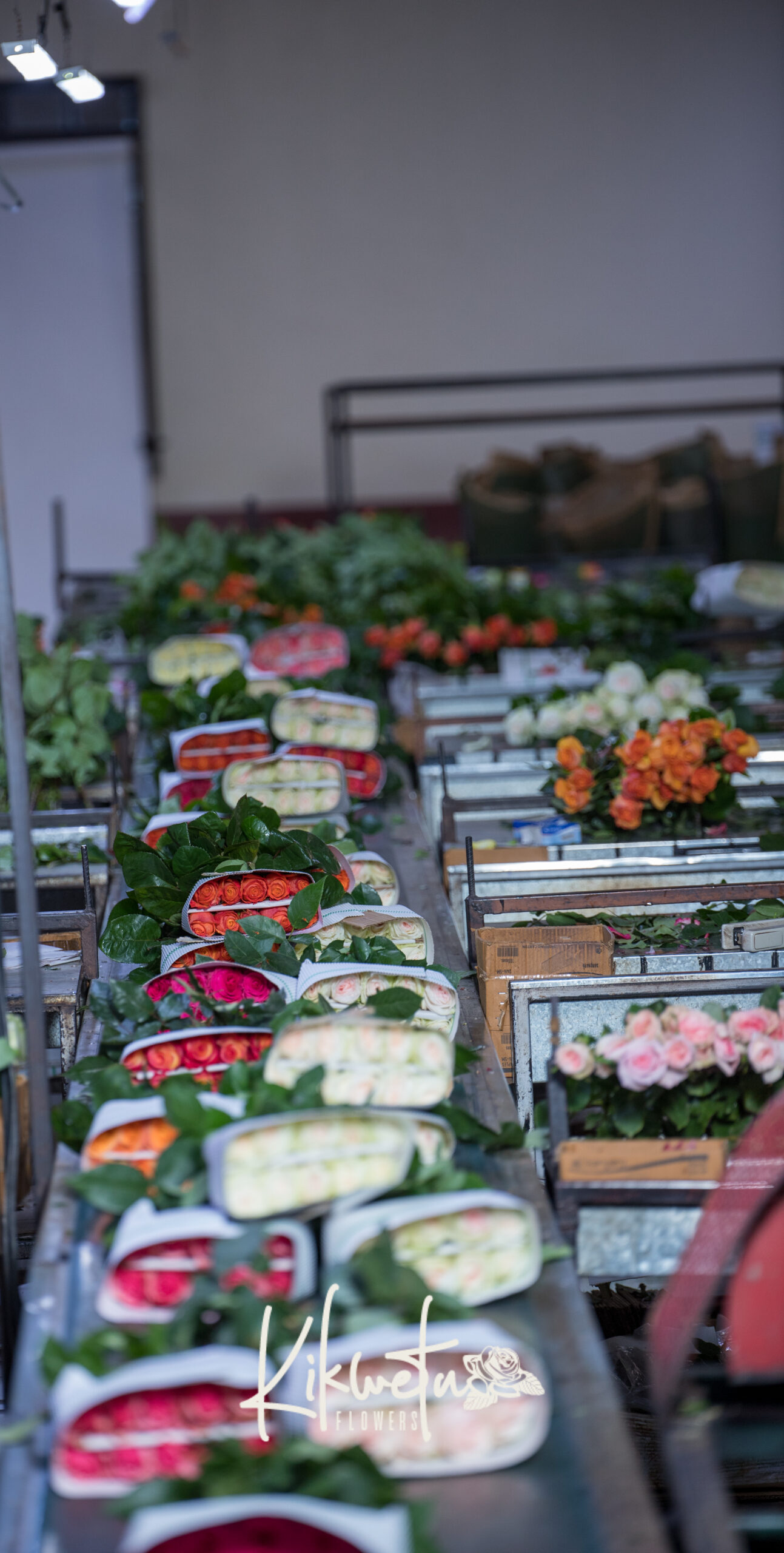
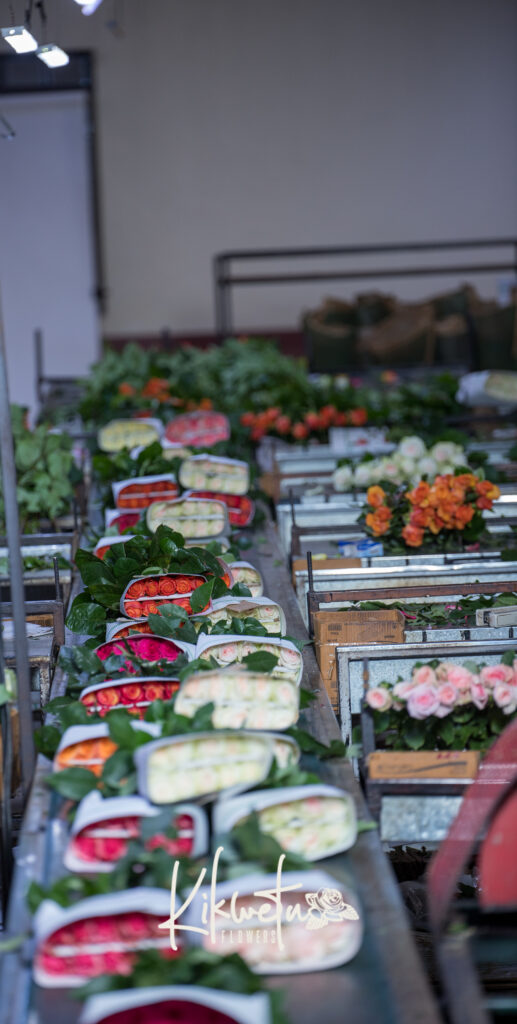
Reliable flower farms maintain strict quality control standards throughout cultivation, harvesting, grading, and packaging. Importers should seek suppliers capable of delivering uniform stem lengths, consistent bud sizes, vibrant colors, and strong vase life throughout the year.
Consistency helps florists maintain customer confidence, reduces waste, and simplify inventory planning.
Questions to Ask:
- Are stem lengths consistent across orders?
- How are flowers graded?
- What quality control systems are in place?
2. Strong Cold Chain Management
Even the highest-quality rose can lose its value if temperature control is compromised during transport.
Cold chain management plays a critical role in preserving freshness, extending vase life, and ensuring flowers arrive in excellent condition. Leading exporters invest heavily in post-harvest handling and temperature-controlled logistics because maintaining freshness is essential to protecting product quality.
Questions to Ask:
- How quickly are roses cooled after harvest?
- What cold storage facilities are available?
- How is temperature maintained during transportation?
3. Reliable Supply Throughout the Year
Importers need suppliers they can depend on during both peak and off-peak seasons.
A dependable rose farm should have sufficient production capacity, effective crop planning, and the ability to meet regular demand without sacrificing quality. Supply interruptions can impact retail sales, event contracts, and customer relationships.
Long-term partners should demonstrate proven reliability during major floral events such as Valentine’s Day, Mother’s Day, Christmas, and wedding seasons.
4. Transparency and Communication
The strongest business relationships are built on trust.
Modern buyers increasingly want visibility into where and how flowers are grown. Transparency regarding production schedules, availability, certifications, shipping timelines, and potential challenges allows importers to make informed decisions and plan effectively.
The floral industry is seeing growing demand for transparent sourcing and traceable supply chains as buyers seek stronger partnerships with growers.
Questions to Ask:
- How frequently are crop updates shared?
- Are production forecasts available?
- How quickly are issues communicated?
5. Sustainability and Responsible Farming Practices
Sustainability is no longer optional for many buyers.
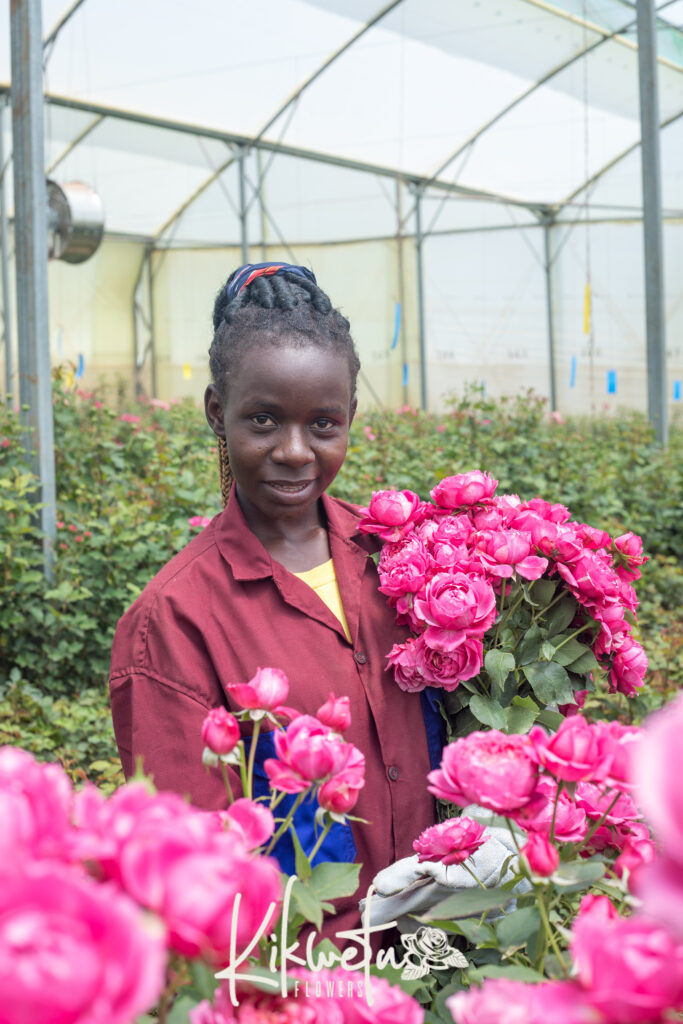
Retailers, florists, and consumers increasingly expect flowers to come from farms that prioritize environmental stewardship and responsible business practices. Many international buyers now include sustainability requirements when selecting suppliers.
Look for farms that demonstrate commitment to:
- Responsible water management
- Waste reduction initiatives
- Worker welfare programs
- Environmental certifications
- Community engagement
Sustainable sourcing helps strengthen brand reputation while meeting evolving market expectations.
6. Product Diversity and Market Flexibility
Customer preferences vary across markets.
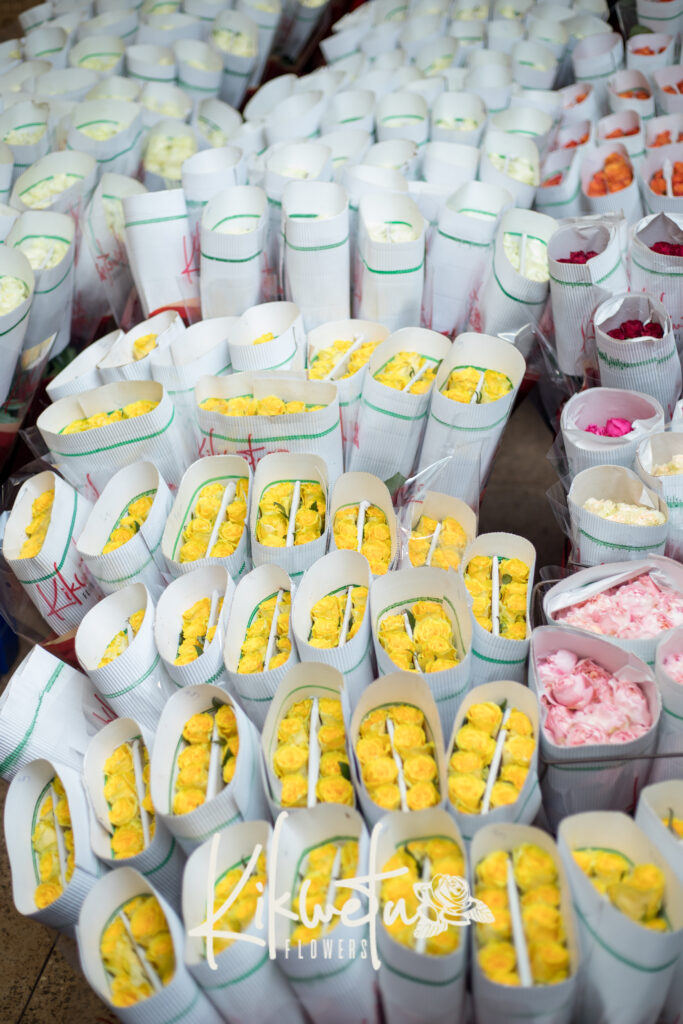
A strong rose supplier should offer a diverse portfolio of colors, varieties, stem lengths, and product types. This flexibility allows importers to adapt to changing trends, seasonal demand, and different customer segments.
Kikwetu Flowers grows a diverse range of premium rose varieties and specializes in export-quality T-hybrid roses suited for international markets.
A broad assortment enables buyers to:
- Serve multiple market segments
- Respond to seasonal trends
- Create customized product offerings
- Reduce sourcing complexity
7. Long-Term Partnership Mindset
The best suppliers think beyond individual transactions.
A true supply chain partner invests in mutual growth, understands market needs, and works collaboratively to solve challenges. Rather than focusing solely on selling flowers, exceptional farms aim to build lasting relationships based on reliability, communication, and shared success.
Importers should look for suppliers who:
- Understand their target markets
- Offer strategic support
- Adapt to evolving requirements
- Value long-term business relationships
The strongest floral supply chains are built on partnerships, not purchases.
Why the Right Rose Farm Partner Matters
A reliable floral supply chain can be the difference between growth and uncertainty. While beautiful roses may attract customers, consistency, reliability, and trust are what keep businesses thriving.
As global flower markets continue to evolve, importers increasingly need partners capable of delivering premium quality, transparent communication, sustainable practices, and dependable supply throughout the year.
At Kikwetu Flowers, we believe every successful floral business begins with a strong foundation. From our high-altitude farm in Timau, Kenya, we cultivate premium roses with the care, precision, and reliability that international buyers expect from a long-term supply partner.
Conclusion
Choosing a rose farm partner is about much more than selecting a supplier. It is about building a dependable relationship that supports your business goals, protects product quality, and strengthens your position in the market.
By focusing on quality, logistics, transparency, sustainability, product diversity, reliability, and partnership, flower importers can build a resilient floral supply chain that delivers value season after season.