
The floral industry is changing. Today, flowers are no longer judged only by their color, size, or vase life—but by how they are grown, who grows them and the values behind them.
From independent florists and event designers to wholesalers and global distributors, buyers across the world are rethinking where their flowers come from. Sustainability, transparency, and ethical sourcing are no longer ‘nice to have’—they are becoming the new standard.
At the heart of this shift are growers like Kikwetu Flowers, redefining what it means to supply flowers to a global B2B market.
A Global Shift Toward Conscious Flower Sourcing
Across continents, consumer behavior is influencing the way florists and businesses make purchasing decisions. Customers now ask questions like:
- Were these flowers sustainably grown?
- Were the workers treated fairly?
- What is the environmental impact of these blooms?
As a result, florists and wholesalers are seeking suppliers who can offer more than just product—they want credibility, consistency, and a story they can stand behind.
This shift is especially strong in mature floral markets, but its influence is now global.
Why Sustainability Has Become a Competitive Advantage
Sustainable flower sourcing is no longer a niche concept—it’s a business advantage.
For florists and B2B buyers, working with responsible growers means:
- Stronger brand trust
2. Alignment with eco-conscious clients
3. Compliance with international trade and quality standards
4. Long-term supply stability
In many markets, florists who actively communicate ethical sourcing are seeing higher customer loyalty and increased repeat business.
Kenya’s Role in the Future of Global Floriculture
Kenya has quietly become one of the world’s most important flower-producing countries—and for good reason.
Natural Growing Advantages
Kenya’s climate allows flowers to grow year-round with abundant natural sunlight, reducing the need for energy-intensive greenhouses common in other regions.
Resource-Efficient Farming
Many Kenyan farms have adopted water-saving irrigation systems, integrated pest management, and soil conservation practices, making production more sustainable by design.
Global Connectivity
With efficient export logistics, Kenyan flowers reach international markets quickly ensuring freshness, longevity, and reliability for B2B buyers worldwide.

What Sets Kikwetu Flowers Apart in a Global Market
In a competitive global industry, differentiation matters. Kikwetu Flowers stands out by focusing on people, planet, and partnership
Sustainable Growing Practices
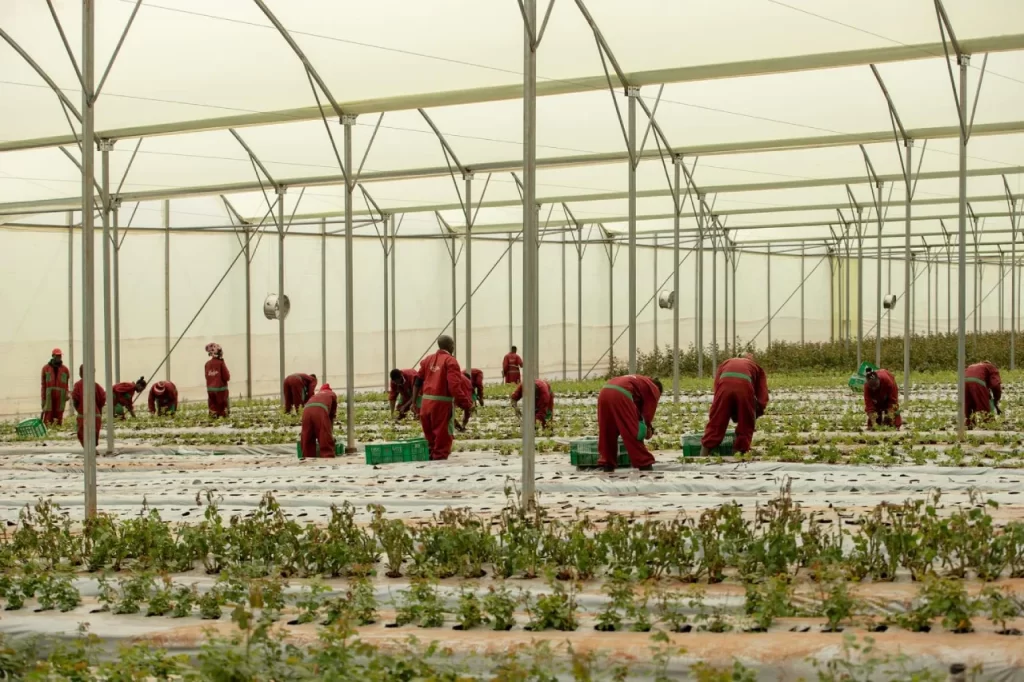
Kikwetu Flowers prioritizes environmentally responsible farming methods, including careful water management, reduced chemical use, and energy-conscious operations—meeting the expectations of today’s global buyers.
Ethical and Transparent Labor
Behind every bloom is a workforce that is treated with dignity. Fair wages, safe working conditions, and continuous training are part of Kikwetu Flowers’ commitment to ethical production.
Built for B2B Partnerships
Rather than operating as a one-size-fits-all supplier, Kikwetu Flowers works closely with B2B clients to offer:
- Flexible order volumes
- Consistent quality standards
- Custom packaging and logistics support
This partnership-driven approach makes it easier for florists and wholesalers to scale confidently.
How Florists Use Sustainable Flowers to Win Customers
Around the world, florists are using sustainability as part of their value proposition:
Event florists highlight responsibly sourced flowers for weddings and corporate functions
Retail florists tell the story behind their blooms to build emotional connections
Wholesale buyers rely on ethical suppliers to meet retailer and regulatory demands
Flowers sourced from responsible growers allow florists to sell not just arrangements—but meaning.

Beyond Trends: The Business Case for Ethical Sourcing
Ethical sourcing isn’t just about perception—it makes business sense.
Florists and distributors working with sustainable suppliers often experience:
- Fewer supply disruptions
- Higher-quality and longer-lasting flowers
- Stronger relationships with environmentally conscious clients
- Easier alignment with international certifications and standards
As global regulations and buyer expectations continue to evolve, ethical sourcing is becoming a future-proof strategy.
The Future of the Global Floral Supply Chain
Looking ahead, the floral industry is moving toward:
- Greater traceability from farm to florist
- Carbon-conscious logistics
- Closer collaboration between growers and buyers
- Increased demand for certified, transparent supply chains
Growers like Kikwetu Flowers are well-positioned to lead this future—combining African growing excellence with global B2B expectations.

Conclusion: Flowers with Purpose
The global floral industry is entering a new era—one where beauty, responsibility, and business success coexist.
For florists, wholesalers, and distributors worldwide, choosing the right supplier is no longer just a sourcing decision—it’s a brand decision.
By partnering with growers who value sustainability, ethics, and long-term relationships, businesses can meet today’s demands while preparing for tomorrow’s opportunities.
And as the world continues to value flowers with purpose, suppliers like Kikwetu Flowers are helping shape a more responsible and resilient floral industry—one bloom at a time.