
Timau roses are quietly rewriting what the global floral industry expects from Kenyan-grown flowers. Grown at over 2,500 metres above sea level on the slopes of Mt Kenya, these high-altitude blooms are challenging Naivasha’s long-held dominance — and winning on quality.
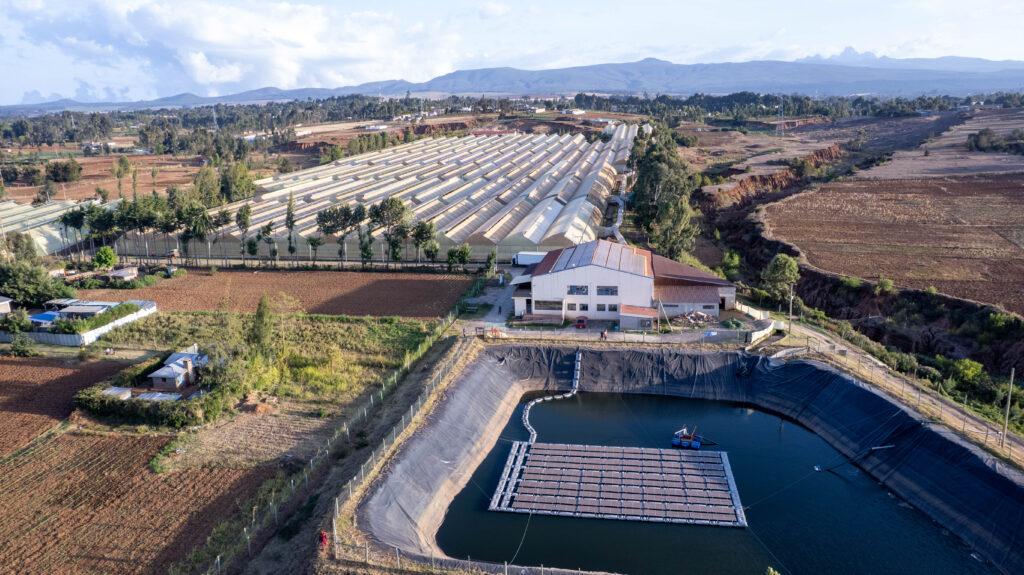
At Kikwetu Flowers, we’ve watched buyers shift their orders after just one trial shipment. Here’s why.
What Makes Timau Roses Different? The 2,500m Altitude Advantage
Altitude changes everything about how a rose develops.
Cooler days, colder nights, and intense equatorial light at high elevation force the plant to grow slower. Slower growth means stronger tissue, denser petals, and deeper colour.
Naivasha sits at roughly 1,900m — excellent for volume. Timau sits significantly higher. That difference, repeated over every growing day, compounds into a visibly superior flower.
Timau Roses vs Naivasha: A Head-to-Head Comparison
Table
| Attribute | Timau Roses | Naivasha Average |
|---|---|---|
| Growing altitude | 2,500m+ | ~1,900m |
| Stem length | 50–90cm | 40–70cm |
| Head size | 5–7cm | 4–6cm |
| Vase life | 10–14 days | 7–10 days |
| Colour intensity | Exceptional | Good |
Numbers tell one story. Hold the two side by side in a vase, and the difference becomes undeniable.
Reason #1: Slower Growth Builds Thicker Stems
At higher altitude, everything takes longer — and that’s the point.
Timau roses mature slowly, channelling energy into stem strength rather than speed. The result is the 50–90cm stem range our farm harvests daily, with a firmness that survives packing, flying, and arranging.
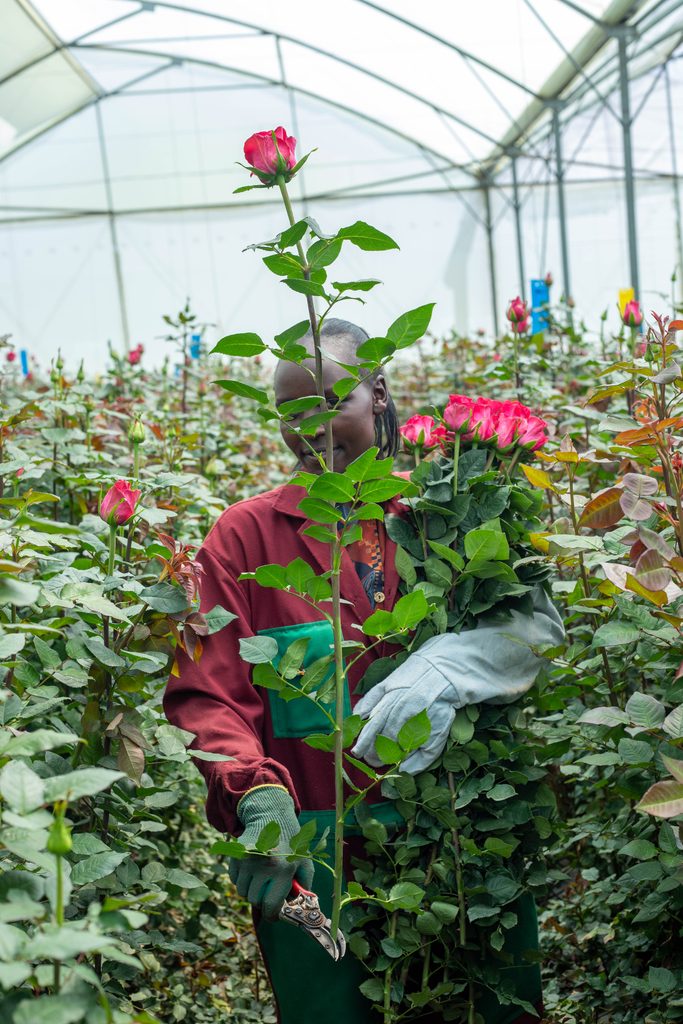
Florists notice immediately. Weak stems droop by day three. Ours stand tall through week two.
Reason #2: Cooler Nights Produce Bigger Heads
Night temperature is the rose grower’s secret weapon.
Cold Timau nights slow respiration, so the bud retains more of the sugars it built during the day. Those sugars feed petal development — producing the 5–7cm heads that make our varieties so striking.
This is why our premium T-hybrid varieties consistently grade higher at auction than lowland equivalents.
Reason #3: Altitude Stress Deepens Colour Pigmentation
Mild environmental stress concentrates anthocyanins — the pigments that give roses their colour.
Timau roses grow under brighter UV and cooler air, so their reds run deeper and their bi-colours come out sharper. Our Deep Purple variety, with its striking purple-to-lilac gradient, simply couldn’t achieve this intensity at lower elevations.
Reason #4: Longer Vase Life — 10 to 14 Days Guaranteed
This is where buyers convert.
Because altitude slows the flower’s metabolism, Timau roses age gracefully. Our varieties deliver 10–14 days of vase life, compared to the 7–10 day industry average.
For a florist, that’s fewer replacements and happier customers. For a retailer, it’s fewer refunds. For a gift buyer, it’s a bouquet that outlasts the occasion it celebrated.
The science behind cold-chain handling and vase life is well documented by the Kenya Flower Council, whose members set the global benchmark for cut-flower quality.
Where Naivasha Still Wins: Honesty Builds Trust
We’ll be straight with you — Naivasha has real advantages.
Its proximity to Nairobi means shorter road hauls to the airport. Its mature infrastructure supports enormous volume. Timau roses won’t replace Naivasha. They occupy a different position: premium, not volume. The smart buyers we work with source both.
Why Top Buyers Are Adding Timau Roses to Their Orders
The pattern is consistent across our client base.
A wholesaler trials one box of Timau roses. Their florists report back. Then the trial becomes a standing weekly order.
Why? Because end customers notice vase life. Because event designers notice stem length and head size. Because premium positioning is easier when the product itself is visibly better.
Sustainability credentials matter too. Our farm is MPS certified, meaning our growing practices meet audited international standards for environmental care and worker safety — increasingly a non-negotiable for EU and UK importers.

Frequently Asked Questions About Timau Roses
Are Timau roses more expensive than Naivasha roses? Marginally, at purchase. But their longer vase life and lower rejection rates typically make them cheaper per display-day.
Can Timau farms supply consistent volume? Yes. Our high-altitude greenhouses are climate-controlled, giving us year-round production stability alongside altitude quality.
Do altitude-grown roses need special handling? No. Timau roses ship under the same cold-chain protocols as any premium Kenyan rose — and their sturdy stems make them even more resilient in transit.
Experience Timau Roses Firsthand: Book a Farm Visit
Reading about altitude is one thing. Standing in our greenhouses at the foot of Mt Kenya, surrounded by Athena whites and Deep Purple bi-colours, is another.
We welcome buyers, florists, and floral media to visit the farm. Karibu — come see why altitude wins.
Contact Kikwetu Flowers to arrange your visit or request your shipment.