
There is a moment, no matter the country, culture, or climate, when the year softens.
Lights appear where there were none before. Tables stretch a little longer. Voices grow warmer. And everywhere-from snow-dusted windowsills in Europe to sunlit homes along the equator—flowers quietly take their place in celebration.
Among them, roses remain the most universal.
Not because they are loud. But because they understand what celebration truly is: gratitude, love, memory, and hope for what comes next.
In festive seasons around the world, roses become more than décor. They become a shared language, spoken softly, yet understood everywhere.
Festive Seasons Are Emotional Seasons
Globally, the festive season is not defined by dates alone. It is defined by emotion.
In December, much of the world slows down to mark Christmas, New Year, Hanukkah, Kwanzaa, and countless cultural traditions. Elsewhere, festive seasons rise during harvests, weddings, religious milestones, national holidays, and family reunions. Though calendars differ, the emotional rhythm is strikingly similar.
These are seasons of reflection and reconnection.
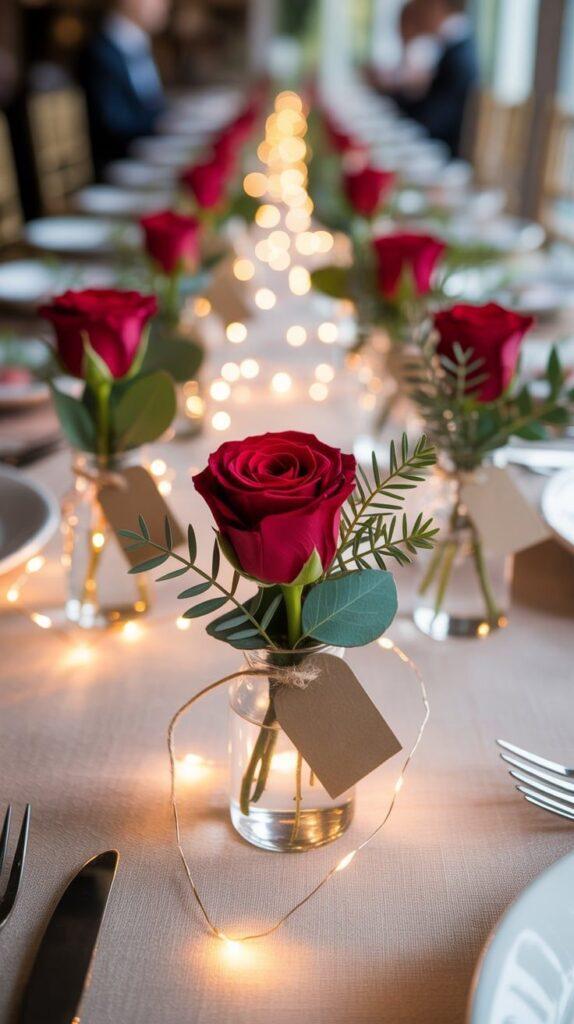
People travel long distances. Homes are prepared with care. Tables are dressed thoughtfully. There is a collective desire to mark the moment – to say this mattered.
Flowers step naturally into these spaces.
A bouquet on a festive table says welcome. Roses arranged near an altar say reverence. A single stem gifted quietly says I remember you. In ways that words often cannot, flowers express intention.
That is why festive season roses remain constant across cultures: they hold emotion without demanding attention.
Why Roses Endure Across Cultures and Celebrations
Few symbols cross borders as effortlessly as roses.
In Western traditions, red roses echo love, sacrifice, and devotion, making them powerful during Christmas, Valentine-adjacent New Year celebrations, and winter weddings. In parts of Asia, white and pastel roses are associated with peace, humility, and spiritual renewal. Across Africa, roses frequently accompany celebrations of gratitude, unity, and prosperity.
Despite cultural differences, the rose retains its emotional clarity.
It adapts.
It feels equally at home beside candlelight and carols, beside prayer mats and sacred readings, beside fireworks and midnight countdowns. Whether the celebration is quiet or grand, roses do not overwhelm the moment—they support it.
This adaptability is precisely why roses dominate festive floral traditions globally.
Festive Rose Colors and Their Meanings Around the World
During festive seasons, roses are rarely chosen at random. Color becomes a form of communication.
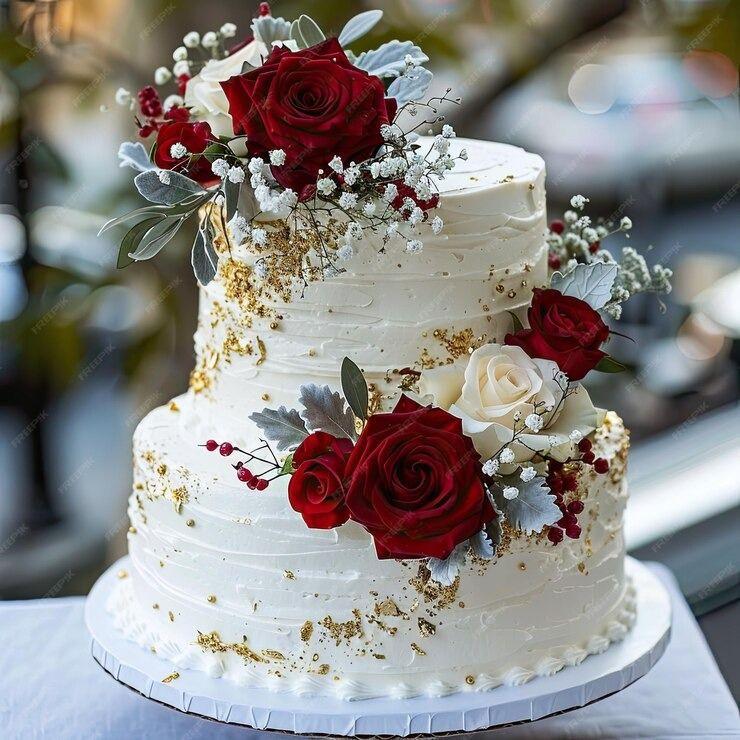
- Red roses symbolize warmth, generosity, deep love, and shared humanity – perfect for Christmas gatherings and romantic year-end celebrations.
- White and cream roses convey peace, reverence, and new beginnings, often used in churches, temples, and reflective end-of-year moments.
- Soft pink and blush roses soften festive spaces, creating intimacy and emotional warmth during family reunions and holiday dinners.
- Champagne, peach, and nude tones quietly speak of gratitude, elegance, and transition – ideal for New Year celebrations and corporate festive events.
Across continents, florists instinctively understand this language. The festive season rose is not selected merely to beautify a space, but to shape how people feel within it.
How Flowers Shape Festive Spaces
What many people do not consciously realize is that flowers influence atmosphere.
A festive table without flowers feels unfinished. A gathering space without blooms lacks softness. Even the most carefully prepared celebration can feel incomplete without living elements.
Roses ground festive environments.
They bring balance to decoration. They absorb light, soften sharp edges, and introduce life into spaces filled with food, fabric, and sound. They make rooms feel intentional—prepared with care rather than convenience.
In this sense, roses are not accessories to celebration.
They are hosts.

Christmas Roses and Holiday FlowDuring Christmas and year-end holidays, roses play a particularly meaningful role.
While evergreens and seasonal foliage dominate winter imagery, roses introduce warmth and emotional depth. They counter cold landscapes with color and life, reminding celebrants of love, generosity, and hope.
Across Europe, Christmas roses adorn dining tables and hotel lobbies. In the Middle East, they feature prominently in holiday gifting. In Africa and parts of Asia, roses accompany church services, family gatherings, and New Year celebrations.
Their presence signals care.
Someone thought ahead. Someone prepared.
Growing Festive Season Roses with Intention at Kikwetu
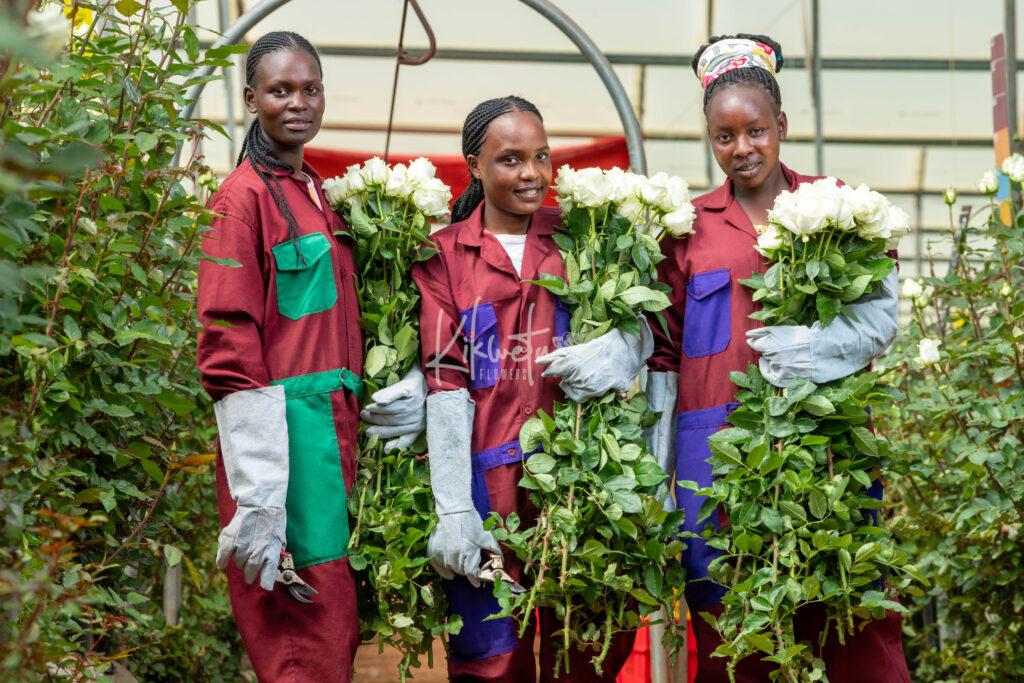
At Kikwetu, festive season roses are grown with destination in mind.
We do not think only about how a rose looks in the field. We imagine where it will go.
Will it arrive at a Christmas table surrounded by laughter? Will it stand quietly in a place of worship filled with song? Will it be gifted during a New Year visit, carrying gratitude and hope into the coming year?
These questions shape how we grow, harvest, and handle every stem.
Festive roses carry responsibility. They must arrive strong, fresh, and full of life – ready to serve moments that matter.