
What Are Export-Grade Roses?
Not all roses are created equal. Some are grown to dazzle at international weddings, grace the shelves of upscale European boutiques, or endure cross-continental flights without losing their charm. These are export-grade roses-the gold standard of floral beauty, meticulously cultivated to meet global expectations.
On the other hand, local-grade roses serve a different purpose. Often grown for domestic markets, roadside florists, or quick retail turnover, they carry a simpler charm, but rarely the same longevity or visual drama.
At Kikwetu Flowers, we live in the world of export-grade roses-not just because the world demands them, but because we believe every bloom should tell a story worth exporting.
6 Key Differences Between Export-Grade and Local Roses
1. Head Size and Petal Count
Export-grade roses are known for their larger heads and fuller blooms. These roses take longer to grow, allowing for richer petal layering and more impressive displays. Local-grade roses, while beautiful, typically have smaller heads and fewer petals due to faster harvest cycles and less selective breeding.
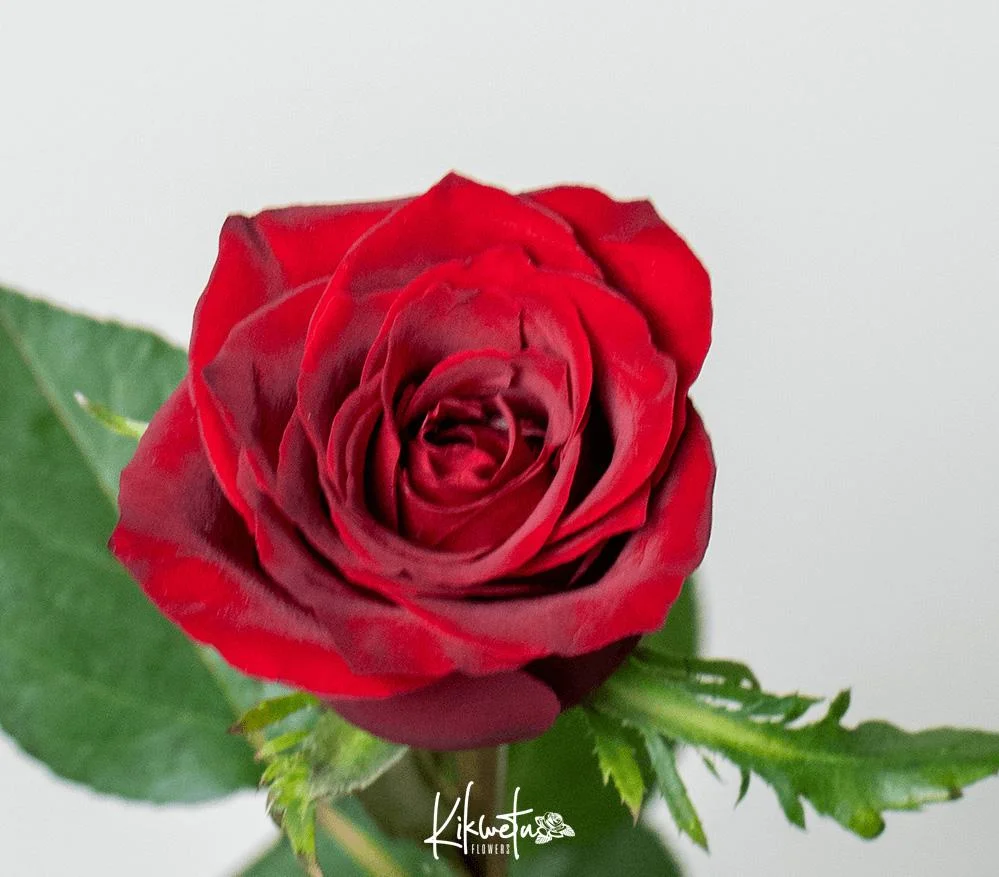
In short: bigger bloom, deeper beauty.
2. Stem Strength and Length
A hallmark of export roses is the long, sturdy stem-sometimes up to 70cm or more,ideal for large arrangements and luxury bouquets. These stems are bred for durability and elegance. Local-grade roses usually have shorter, thinner stems more suited for casual gifting.
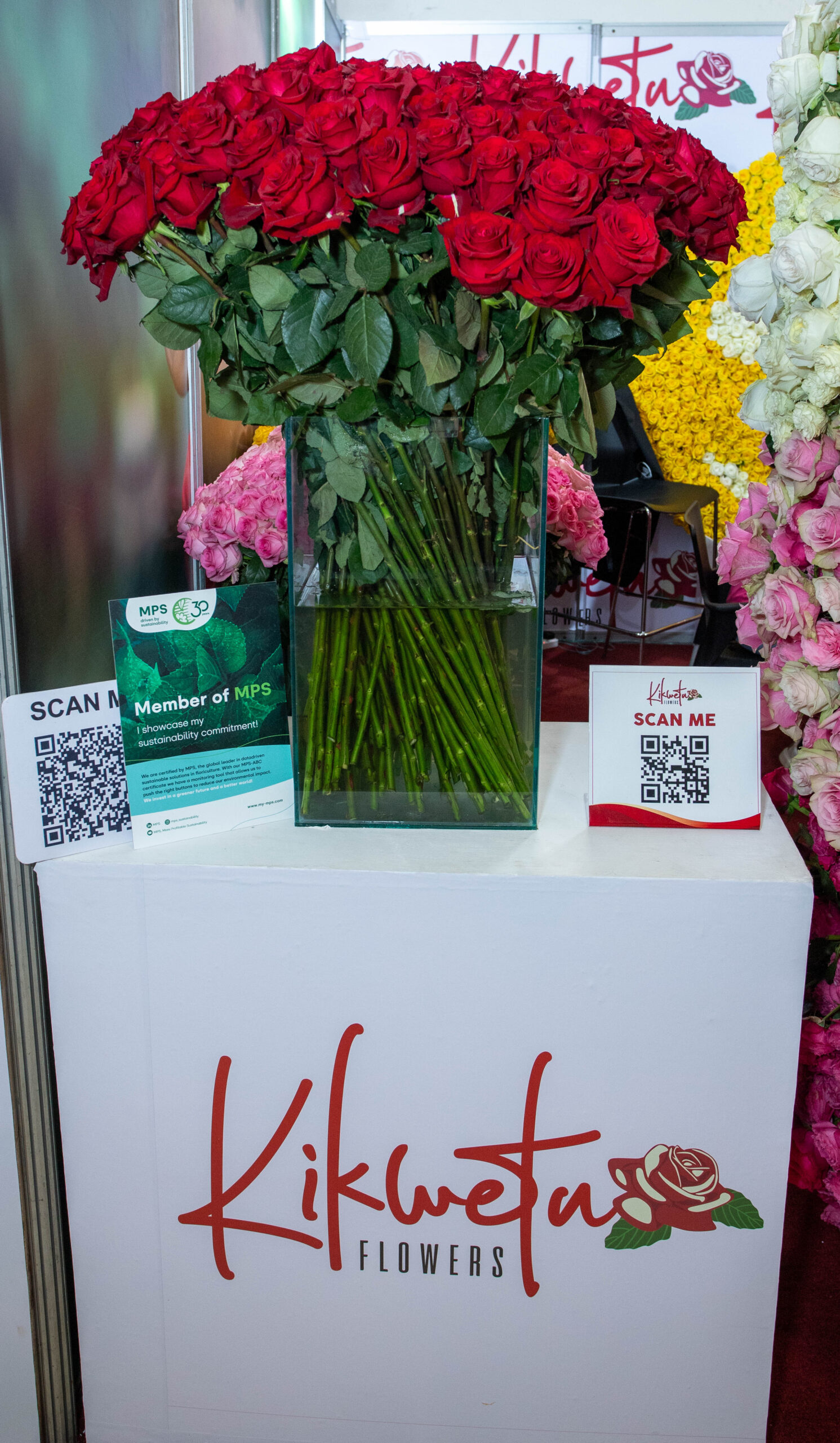
Strength, structure, and style-that’s what sets a premium stem apart.
3. Vase Life and Freshness
Thanks to advanced post-harvest handling, export roses can last 10–14 days in a vase when cared for properly. Their longevity is a result of slow, cool-chain logistics. Local roses, often lacking such infrastructure, typically last just 3–5 days.
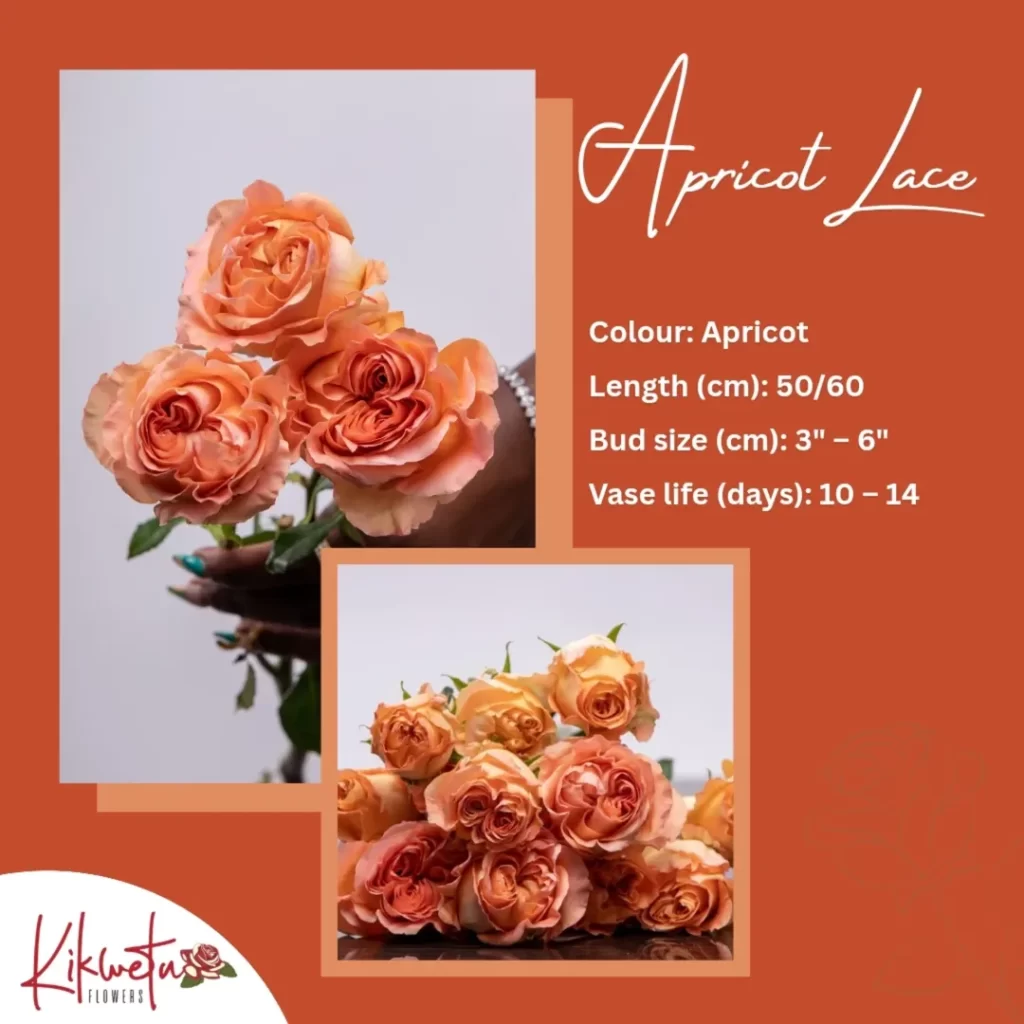
When you want the memory to linger, export-grade is your answer.
4. Post-Harvest Treatment
Export flowers go through meticulous grading, hydration, de-thorning, and cooling within hours of being cut. They’re treated with floral preservatives and shipped in temperature-controlled environments. Local roses may skip many of these steps, resulting in shorter shelf life and lower bloom consistency.
Care after cutting is where quality truly begins.
5. Packaging and Handling
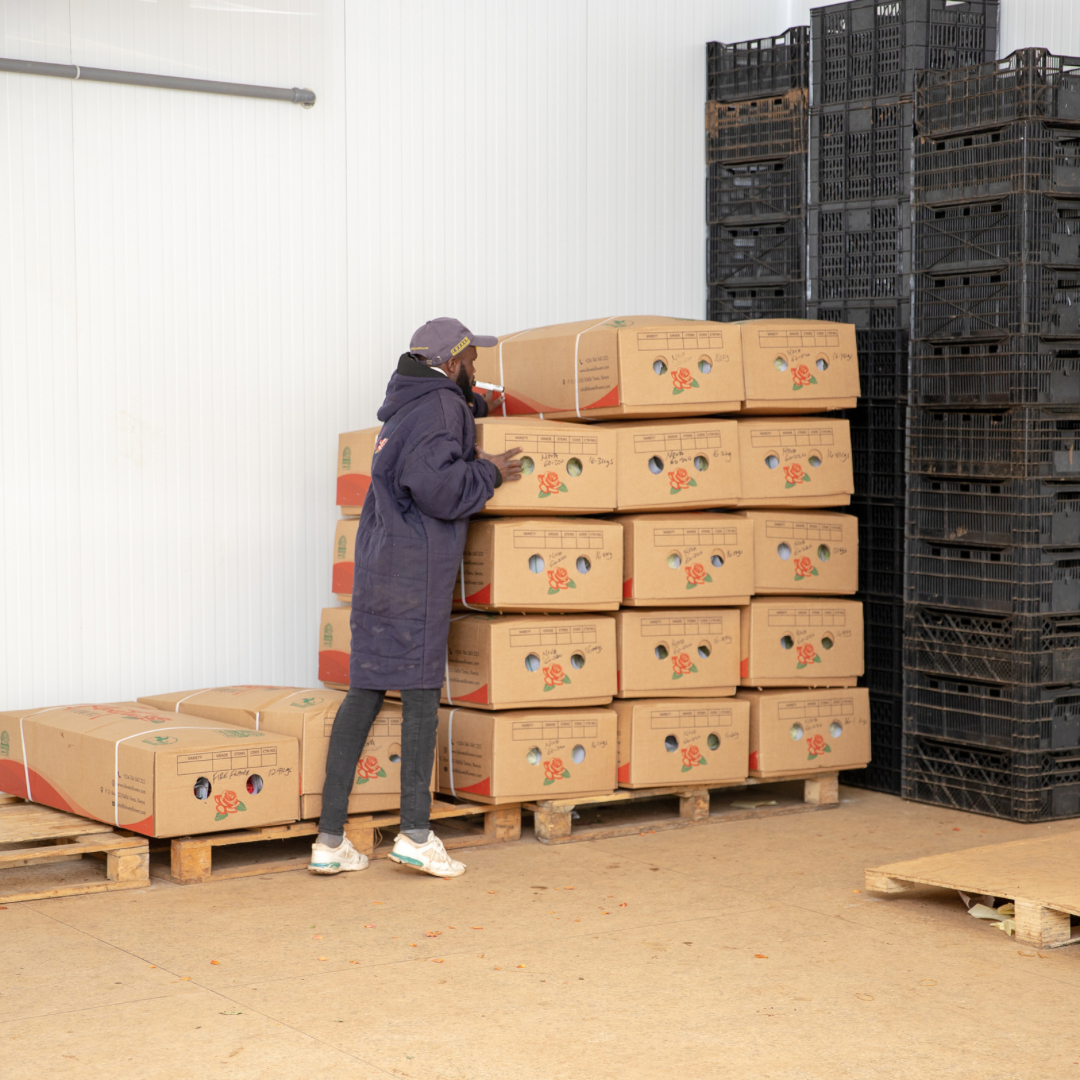
Export roses are carefully bunched, sleeved, and boxed in strict compliance with buyer requirements. Whether they’re going to Amsterdam, Dubai, or Tokyo, they must arrive in pristine condition. Local roses are often sold loose or wrapped with basic sleeves, less protection, more risk of bruising.
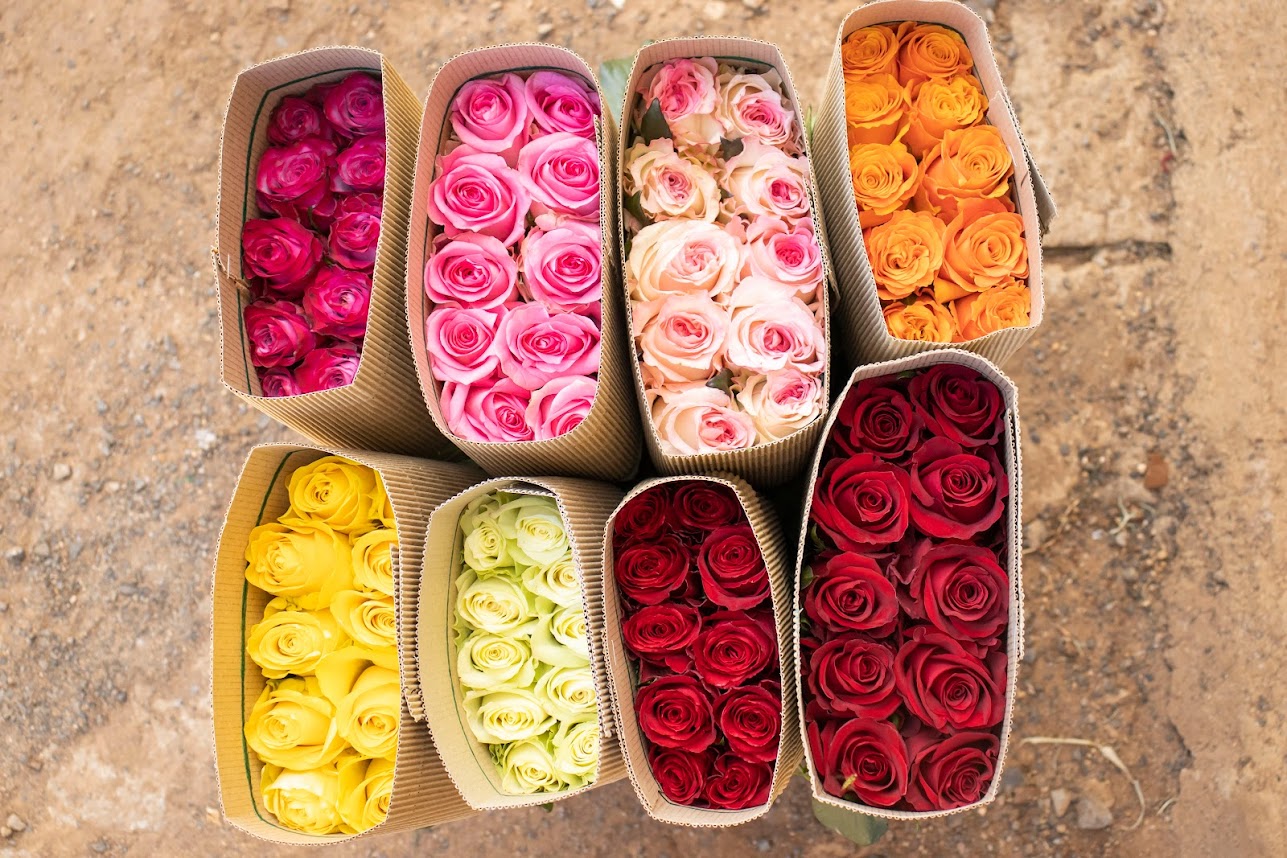
Premium packaging protects a premium promise.
6. Price and Market Destination
Naturally, with all that attention to quality, export roses command higher prices. They’re destined for high-end events, upscale florists, and international distributors. Local roses, while more affordable, are usually reserved for casual use or street-level resale.
You’re not just paying for a flower-you’re paying for a performance.
Why These Differences Matter
Whether you’re a florist, a bride-to-be, or someone gifting love across borders, knowing the difference between rose grades helps you choose what truly suits the moment. Export-grade roses are an experience-not just a product. They’re meant to last, impress, and connect on a deeper emotional level.
Local roses have their place, of course. But when it comes to grandeur, grace, and global standards, there’s no substitute for the real thing.
Where Kikwetu Flowers Stands in the Global Market
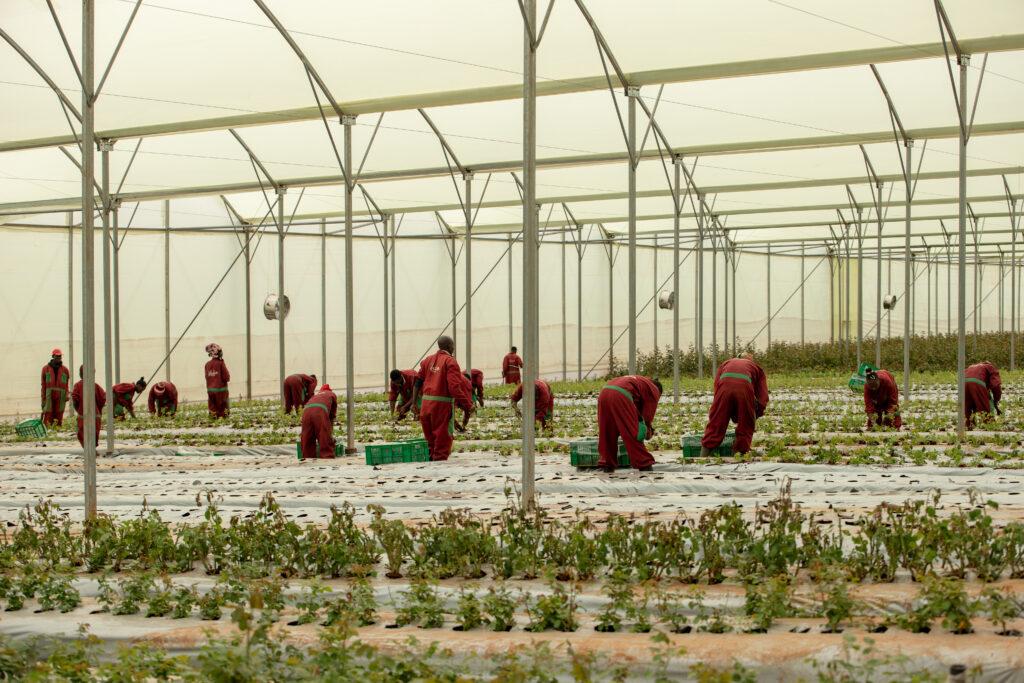
At Kikwetu Flowers, export isn’t just a market, it’s a mindset. We grow our roses at high altitude farms in Kenya’s Great Rift Valley, where cool temperatures and rich volcanic soil produce slower-growing, longer-lasting blooms.
Every rose we ship undergoes rigorous quality checks, hydration, and gentle packing to ensure that by the time it reaches your hand,in London, Riyadh, or right here in Nairobi, it still tells the story of where it came from.
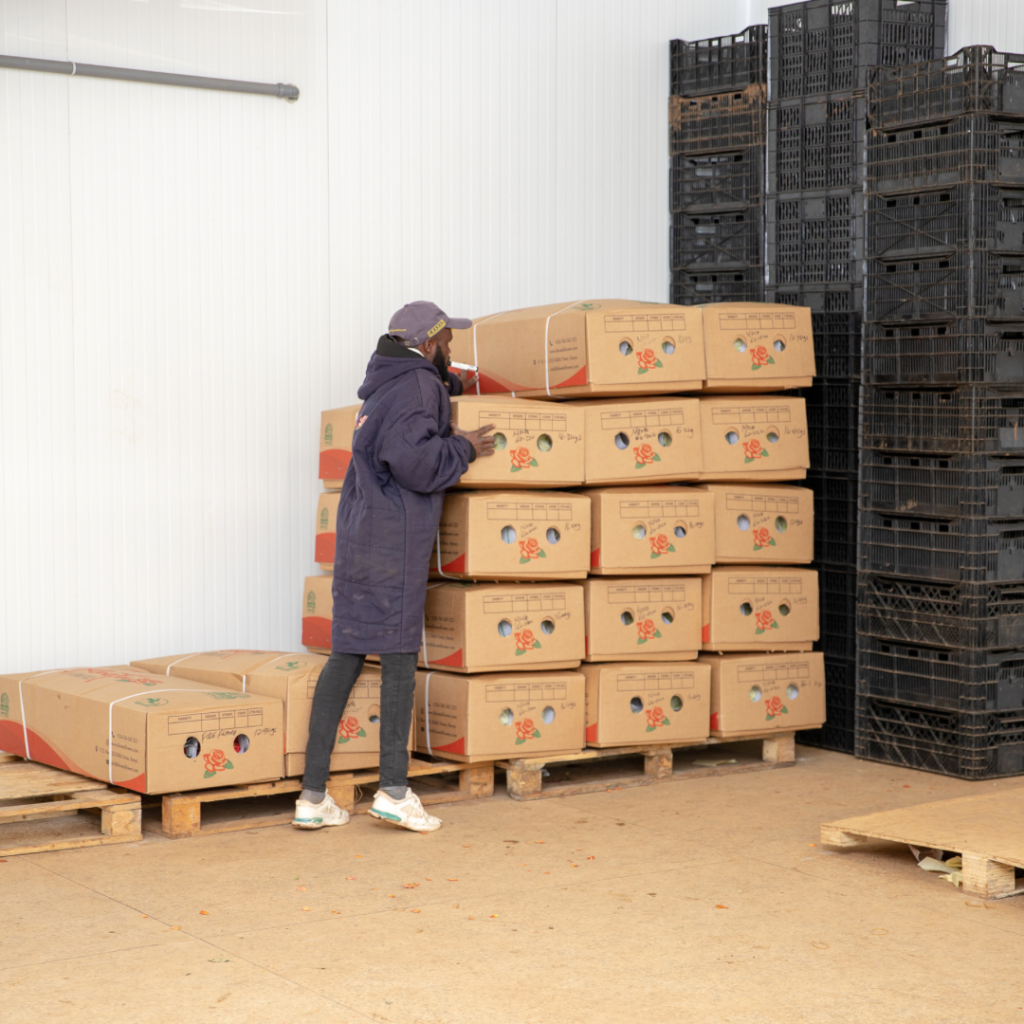
We specialize in export-grade varieties with rich color, long vase life, and classic beauty, and we’re proud to know that when people think of Kenyan roses, no matter where they are in this beautiful earth of ours, they think of Kikwetu.
📌 Related Read: